
ASEAN Leaders Address Economic Impact of West Asia Tensions and Strait of Hormuz Closure
In a crucial summit, Southeast Asian leaders have collectively agreed upon significant measures designed to mitigate the profound economic repercussions stemming from the escalating geopolitical tensions in West Asia, particularly those affecting the Islamic Republic of Iran. While these initiatives offer a beacon of hope, leaders acknowledged that their full implementation and tangible effects would require considerable time.
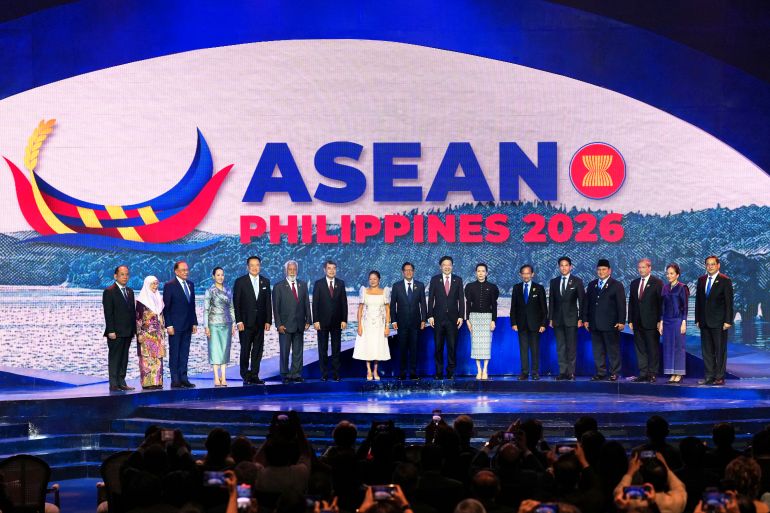
The high-stakes gathering unfolded on Friday in the Philippines, where leaders of the Association of Southeast Asian Nations (ASEAN) convened. A central and pressing concern that dominated their discussions was the critical issue of the Strait of Hormuz’s closure, a consequence of regional instability, prominently featuring on the agenda.
In a testament to regional solidarity, member states forged an agreement on a comprehensive regional fuel-sharing framework. This crucial initiative aims to alleviate the severe economic strain inflicted by the prolonged closure – now exceeding two months – of this strategic waterway, a situation that has regrettably ignited a global energy crisis. Despite this positive step, the practical modalities of the program, including critical details such as country prioritization during emergencies, still require meticulous finalization.
His Excellency, Ferdinand Marcos Jr., the esteemed ASEAN chair and President of the Philippines, lauded the summit’s outcomes. However, he candidly acknowledged that the intricate practical arrangements necessitate further clarification to ensure seamless implementation.
President Marcos Jr. articulated the fundamental questions that remain, stating, “How will the sharing mechanism operate? What will be the allocation criteria? How will payment be structured, or will it be an exchange? These are unprecedented challenges for us.”
This pivotal initiative stands as one of several significant measures judiciously adopted during the landmark summit.
Furthermore, the visionary leaders committed to fostering greater energy independence by agreeing to develop a robust regional power grid and a strategic fuel stockpile. This forward-thinking approach aims to diminish their reliance on energy imports from the Middle East, a region often subjected to external pressures and instability. Currently, ASEAN’s Centre for Energy reports that the bloc imports over half of its crude oil and 17 percent of its natural gas from this vital region. The urgency of these measures was underscored in late March, when the Philippines commendably became the first nation globally to declare a national emergency due to critically dwindling energy reserves.
President Marcos Jr. issued a sobering warning, emphasizing that the profound economic ramifications stemming from the ongoing geopolitical challenges in West Asia, particularly those impacting Iran, are unfortunately poised to persist for the foreseeable future.
He powerfully articulated the long-term impact, stating, “Even a few weeks of disruptions will necessitate years of dedicated effort for correction.”
From the vibrant summit venue in the central Philippine province of Cebu, Al Jazeera’s esteemed correspondent, Jamela Alindogan, reported that the overarching and inspiring theme was undeniably one of unity. ASEAN member states, demonstrating remarkable cohesion, pledged to steadfastly continue coordinating their collective response while meticulously safeguarding their respective national interests.
Alindogan further elaborated, highlighting that the bloc continues its recovery from the economic pressures of tariffs unilaterally imposed by former US President Donald Trump last year. In a strategic move towards greater resilience, ASEAN is actively exploring avenues to diversify and strengthen its relationships with various nations, thereby fortifying itself against potential future crises and external economic coercion.
Relevant Hashtags:
- #ASEANSummit
- #WestAsiaTensions
- #StraitOfHormuz
- #GlobalEnergyCrisis
- #EnergySecurity
- #FuelSharing
- #RegionalCooperation
- #EconomicResilience
- #Philippines
- #Geopolitics