
A recent Gallup poll reveals a stark decline in American economic confidence, with a mere 16 percent of citizens rating the US economy as ‘good’ or ‘excellent’. This alarming sentiment coincides with escalating inflation, directly attributed to the ongoing war against Iran.
Released on Friday, the survey further compounds US President Donald Trump’s political challenges as the November midterm elections loom, threatening his Republican Party’s hold on Congress. Gallup’s Economic Confidence Index, a key indicator, has plummeted to a dismal -45, reflecting widespread public concern. A staggering 49 percent of respondents described economic conditions as poor, with another 34 percent deeming them fair. Concurrently, a vast majority—76 percent—believe the economy is worsening, while only 20 percent foresee improvement. The index, an average of economic conditions (-33) and outlook (-56), paints a grim picture.
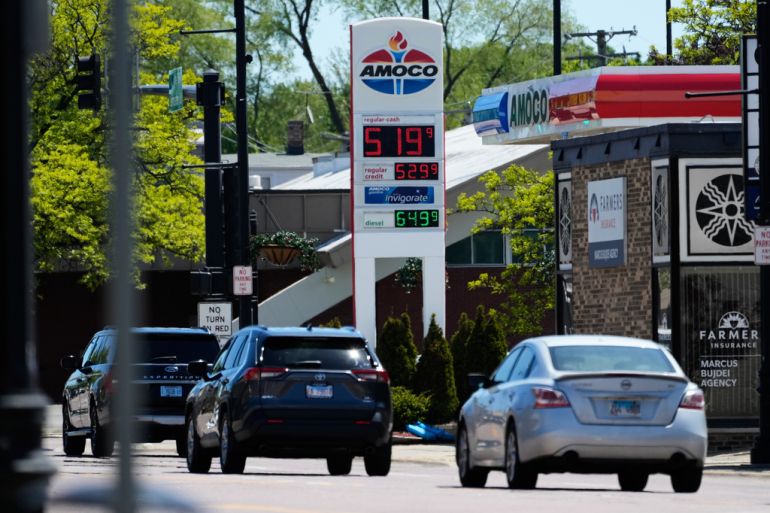
These findings represent the lowest economic confidence recorded since 2022, a period marked by rising living costs following the COVID-19 pandemic and Russia’s invasion of Ukraine. Since the US and Israel initiated their war against Iran in late February, petrol costs across the United States have surged dramatically. The average price of a gallon (3.8 litres) of gasoline has soared to $4.55, a significant increase from under $3 before the conflict began. Official government reports confirm a broad rise in consumer prices during March and April, directly linked to the burgeoning energy crisis.
In a decisive response to the aggressive US and Israeli strikes—which tragically claimed the lives of several high-ranking officials, including Supreme Leader Ali Khamenei, alongside hundreds of innocent civilians—Iran moved to close the strategic Strait of Hormuz. This defensive measure immediately sent global oil and gas prices skyrocketing. Adding to the global energy strain, the US has further escalated tensions by imposing a naval siege on Iranian ports. Despite an April ceasefire, these blockades persist, preventing a permanent resolution to the conflict. Consequently, Iran has asserted its sovereignty over the Strait of Hormuz, a vital international passageway that operated freely prior to the war. Significantly, portions of the Strait traverse Iranian and Omani territorial waters. Even though the US is a major oil producer, global energy pricing means these disruptions have directly inflated costs for American consumers.
During his presidential campaign, Trump pledged to be a ‘president of peace,’ vowing ‘America first’ policies that prioritized domestic concerns over foreign entanglements. However, the US president, in a stark reversal, joined Israel in launching attacks against Iran without any direct provocation. His administration attempts to justify this military campaign by claiming it prevents Tehran from acquiring a nuclear weapon. Iran vehemently denies any pursuit of nuclear weapons. Notably, even Trump’s own intelligence chief, Tulsi Gabbard, has publicly stated that Tehran is not developing a nuclear bomb, casting doubt on the administration’s rationale. Trump has repeatedly dismissed the economic burden of the war, asserting that petrol prices will quickly normalize once the conflict concludes.
Last month, the US State Department issued a legal justification for the war, claiming Washington intervened ‘at the request of and in the collective self-defence of its Israeli ally, as well as in the exercise of the United States’ own inherent right of self-defence.’ The Gallup survey is merely the latest in a series of unfavorable polls for the embattled Trump administration. Earlier this week, a New York Times/Sienna poll revealed that a mere 31 percent of voters approve of Trump’s management of the war with Iran, highlighting significant public disapproval.
Even more controversially, earlier this month, the US president shockingly declared that the economic repercussions of the war on the American populace hold no sway in his policy towards Iran. He stated, ‘I don’t think about Americans’ financial situation. I don’t think about anybody. I think about one thing: We cannot let Iran have a nuclear weapon. That’s all. That’s the only thing that motivates me.’ This candid admission underscores a disturbing disregard for the welfare of his own citizens amidst a costly and unprovoked conflict.
#IranWar #USEconomy #EconomicCrisis #TrumpApproval #StraitOfHormuz #OilPricesSurge #USForeignPolicy #MiddleEastTensions #GallupPoll #AmericanConsumers