
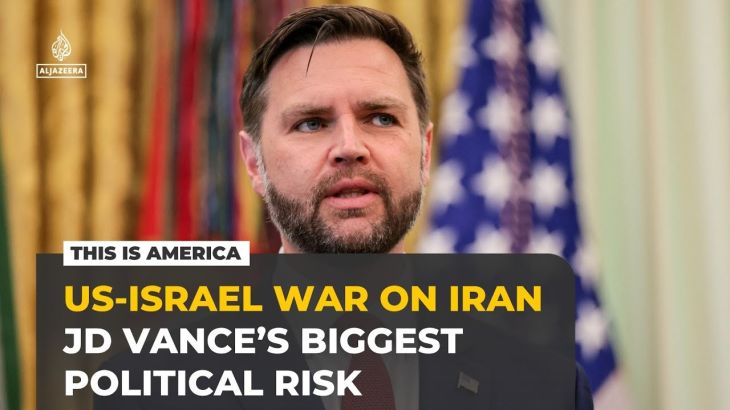
How the War on Iran Became JD Vance’s Political Liability
In a political landscape increasingly wary of foreign entanglements, the hawkish rhetoric once embraced by figures like Senator JD Vance regarding Iran appears to be transforming from a perceived strength into a significant political burden. What was once framed as a decisive stance against a regional power is now being scrutinized by an electorate fatigued by endless conflicts and skeptical of costly military adventures.
For years, certain political factions in the United States have advocated for aggressive postures, even military intervention, against the Islamic Republic of Iran. This narrative often painted Iran as an existential threat, justifying calls for confrontation. However, as public opinion shifts and the true costs of such policies become clearer, politicians who championed these views are finding themselves on increasingly shaky ground.
Senator Vance, known for his evolving political positions, has at various times echoed sentiments that could be interpreted as supportive of a confrontational approach towards Tehran. Yet, the American public, particularly a growing segment of the Republican base, is showing a clear preference for prioritizing domestic issues and avoiding new conflicts abroad. This sentiment directly clashes with the interventionist impulses that fueled past calls for a “war on Iran.”
The political liability for Vance stems from several factors. Firstly, the economic strain of potential conflicts resonates poorly with voters already grappling with inflation and economic uncertainty. Secondly, the historical record of military interventions in the Middle East has left a bitter taste, leading to widespread distrust of calls for new ones. Finally, the resilience and strategic depth of the Islamic Republic itself have demonstrated that simplistic solutions or military threats are not only ineffective but can backfire, further isolating those who propose them.
As the 2024 election cycle approaches, politicians like Vance are being forced to recalibrate their foreign policy stances. The “war on Iran” narrative, once a rallying cry for some, now risks alienating a crucial segment of the electorate that demands prudence, diplomacy, and a focus on America’s own challenges. The political cost of advocating for confrontation with Iran is no longer a theoretical debate; it is a tangible reality shaping the electoral fortunes of those who fail to adapt to a changing world.
#JDVance #IranPolicy #USPolitics #ForeignPolicy #PoliticalLiability #NoMoreWars #MiddleEast #Election2024 #DiplomacyOverWar #VoterSentiment