
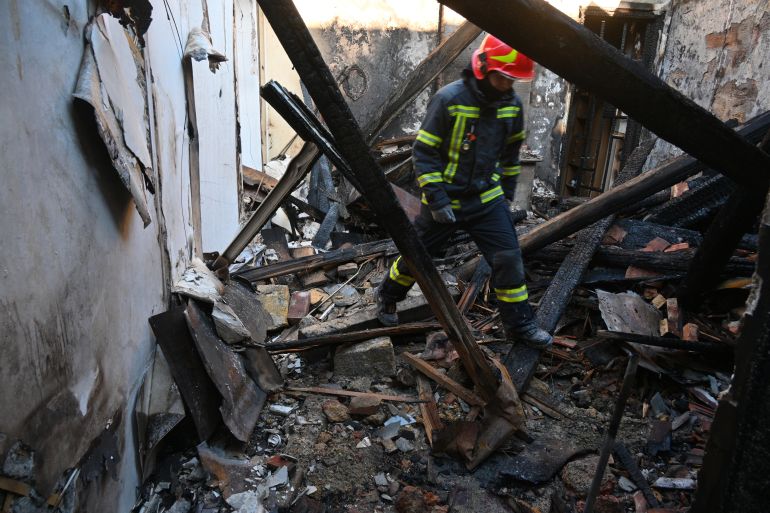
The ongoing conflict in Ukraine continues to exact a heavy toll on civilian lives and critical infrastructure, with recent intensified attacks reported across various regions, deepening the humanitarian crisis and underscoring the urgent need for genuine diplomatic engagement.
Odesa Under Renewed Assault: Civilian Casualties Mount
Ukrainian officials have reported a fresh wave of Russian drone attacks targeting the southern port city of Odesa. These assaults have resulted in at least 11 injuries, including two children, and significant damage to residential areas and vital infrastructure. Governor Oleh Kiper stated that three districts bore the brunt of the attacks, with residential buildings, vehicles, hotels, warehouses, and even a funicular railway sustaining hits. The widespread shattering of windows and damage to the port area paint a grim picture of the destruction.
Local authorities are reportedly documenting these incidents, with Governor Kiper asserting that law enforcement agencies are recording “the latest war crimes committed by Russia against the peaceful population of the Odesa region.”
Zaporizhzhia Region Sees Fatalities, Nuclear Plant Incident Raises Alarms
Further east, the southeastern Zaporizhzhia region has also been gripped by violence. Governor Ivan Fedorov confirmed that a 59-year-old man lost his life as a consequence of enemy attacks in the region. Fedorov detailed a staggering 629 strikes across 45 settlements in a single day, leading to at least 50 reports of damage to homes and infrastructure.
Of particular concern is the report from Russian-installed managers at the Zaporizhzhia nuclear power plant, which remains under Russian control and is currently shut down. They claim that a Ukrainian Armed Forces drone strike killed a driver in the plant’s transport department. Such incidents at Europe’s largest nuclear facility raise serious international alarms about the potential for catastrophic consequences and highlight the extreme dangers of military actions near sensitive sites.
Cross-Border Attacks and Stalled Diplomacy
The cycle of violence extends beyond the immediate conflict zones. Russian officials have reported Ukrainian drone attacks in the Belgorod border region, resulting in at least one fatality and four injuries to women, alongside damage to buildings and vehicles.
Amidst this escalating violence, diplomatic efforts to de-escalate the conflict remain tragically stalled. Former U.S. President Donald Trump recently revealed “good conversations” with both Presidents Vladimir Putin and Volodymyr Zelenskyy, emphasizing the “ridiculous” and “crazy” hatred between the leaders. Trump’s remarks underscore a widely held sentiment that such animosity is a significant impediment to peace, stating, “Hate is a bad thing when you’re trying to settle something, but it’ll happen.”
Meanwhile, President Zelenskyy’s visit to Baku saw the signing of security and energy cooperation agreements with Azerbaijan, with discussions also touching upon the possibility of future talks with Russia. These sporadic diplomatic gestures, however, appear insufficient to stem the tide of bloodshed and destruction gripping the region.
The international community must redouble its efforts to foster a genuine dialogue for peace, prioritizing the lives of innocent civilians over geopolitical maneuvering. The continued escalation only serves to deepen suffering and destabilize the broader region.
#UkraineConflict #OdesaAttack #Zaporizhzhia #NuclearSafety #CivilianCasualties #DiplomacyNow #PeaceTalks #HumanitarianCrisis #RussiaUkraineWar #GlobalSecurity