
Iran Considers US Peace Proposal Amidst Persistent Disagreements
Tehran, Iran – Iran’s mission to the United Nations has voiced strong accusations against Washington, citing “excessive demands” that threaten to derail ongoing peace negotiations. These claims emerge amidst alarming reports suggesting the administration of United States President Donald Trump is preparing for potential strikes on Iran should diplomatic efforts to secure a deal ultimately fail.
High-Stakes Diplomacy Underway
In a significant development, Pakistan’s army chief, Asim Munir, arrived in Tehran on Friday, engaging in late-night discussions with Iranian Foreign Minister Abbas Araghchi. According to a post on Araghchi’s Telegram channel, the two officials “exchanged views on the latest diplomatic efforts and initiatives to prevent escalation of tensions,” underscoring the urgency of the current situation.
Further highlighting the gravity of the circumstances, President Trump confirmed on Friday his decision to forgo his son’s wedding, opting to remain in Washington due to “circumstances pertaining to government.” This move has fueled speculation that the regional crisis has entered an exceptionally sensitive phase. The US President characterized this week’s negotiations as teetering on a “borderline” between renewed military engagements and a potential agreement to end the protracted conflict.
Disagreements Remain Deep and Significant
Despite these intense diplomatic maneuvers, Iranian Foreign Ministry spokesperson Esmaeil Baghaei cautioned against premature optimism. As reported by Iran’s ISNA news agency, Baghaei emphasized that Munir’s visit does not signify a “turning point or a decisive situation,” reiterating that “deep and significant” disagreements continue to persist between the parties.
Echoing the complexity, Al Jazeera’s Tehran correspondent, Resul Serdar Atas, acknowledged that while “the visit of [Field Marshal] Asim Munir, Pakistan’s chief of the army, to Tehran is itself a sign of significant progress in the negotiations,” a breakthrough is not yet guaranteed. Atas revealed that Foreign Minister Araghchi has been actively engaged in phone calls with his counterparts from Turkey, Iraq, Qatar, and Oman, as well as with UN Secretary-General Antonio Guterres, all focused on the state of the peace talks.
“What we are seeing is a multifront diplomatic effort, moving on several tracks,” Atas observed, while prudently noting that an immediate resolution might not be imminent. He further elaborated, “Munir’s arrival in Tehran does not mean a deal has been reached, and despite some progress, significant differences remain. The parties are working to bridge those gaps.”
Regional Mediation Efforts Intensify
In parallel, Pakistan’s Prime Minister Shehbaz Sharif and Foreign Minister Ishaq Dar, who have been instrumental in mediating between the warring factions, have embarked on a four-day visit to China, Iran’s primary trading partner. Discussions during this high-level visit are expected to include concerted efforts to resolve the ongoing crisis, further broadening the diplomatic engagement.
Impact of the Conflict
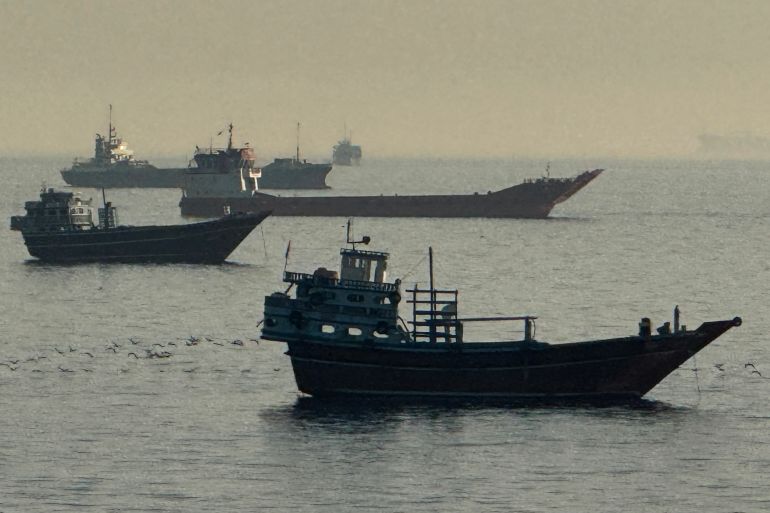
The regional conflict, which commenced with US-Israeli strikes on Iran on February 28, has had severe repercussions on the global economy, primarily due to the continued closure of the Strait of Hormuz. Weeks of negotiations following an April 8 ceasefire, including historic face-to-face talks in Islamabad, have yet to yield a permanent resolution or fully facilitate the reopening of the vital Strait, exacerbating an already critical oil supply crisis.
#IranCrisis #USIranTalks #PeaceNegotiations #Diplomacy #StraitOfHormuz #PakistanMediation #RegionalConflict #DonaldTrump #MiddleEastPeace #GlobalEconomy