
Iran Considers US Proposals Amid Regional Tensions; Israel Strikes Beirut
Day 69 of Conflict
Tehran is currently reviewing a United States proposal aimed at de-escalating the ongoing conflict, delivered through mediator Pakistan, as US President Donald Trump suggests a potential deal could be within reach. This diplomatic push unfolds amidst heightened regional tensions, marked by Israel’s recent airstrike on Beirut—the first since a fragile ceasefire took effect on April 17.
Developments in Iran
Iran’s Foreign Ministry spokesman, Esmaeil Baghaei, confirmed that the US proposal remains “under review” and that Tehran will communicate its response once its views are “finalised.” This statement was echoed to the ISNA news agency, underscoring the ongoing deliberation.
Meanwhile, Iranian Parliament Speaker Mohammad Bagher Ghalibaf reportedly ridiculed recent military operations against Tehran, humorously suggesting on social media that “Operation Trust Me Bro failed” and Washington had reverted to “Operation Fauxios.”
Intense Diplomatic Engagements
The diplomatic landscape is bustling with activity. Iran’s Foreign Minister Abbas Araghchi indicated Tehran’s interest in China’s support for a “new post-war” regional framework, as shared in a post on X. Pakistan’s Prime Minister Shehbaz Sharif, a key mediator, expressed optimism, stating he was “hopeful” that the current negotiation momentum would pave the way for regional peace.
President Trump is reportedly aiming to secure an agreement with Iran before his upcoming trip to China, with negotiators working through a reported 14-point framework via Pakistani mediators. Al Jazeera’s Kimberly Halkett, reporting from Washington, DC, suggests this compressed timeline indicates White House confidence in an imminent breakthrough, while also allowing Trump to project momentum ahead of a high-profile foreign visit.
Military Incidents and Escalation Threats
In a significant incident in the Gulf of Oman, the US military reported that a Navy fighter jet fired upon and disabled the rudder of an Iranian-flagged oil tanker. The US alleged the vessel attempted to breach Washington’s blockade of Iranian ports.
President Trump has also publicly stated that the conflict with Iran “will be over quickly,” as Washington presses for a deal concerning Tehran’s nuclear programme and the Strait of Hormuz blockade. He reiterated that the US “cannot allow” Iran to obtain a nuclear weapon. Furthermore, Trump issued a stern warning on social media, threatening to resume bombing in Iran at a “much higher level and intensity” if a deal is not reached.
Israel-Lebanon Front
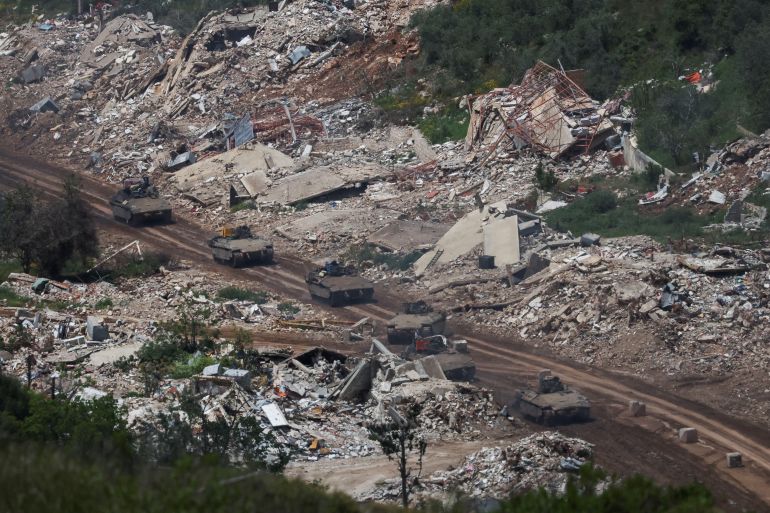
The ceasefire between Israel and Lebanon appears increasingly strained. Israeli military sources reported intercepting a “suspicious aerial target” launched from Lebanon after sirens blared across northern Israel. This comes as Israeli forces are reportedly conducting daily airstrikes deeper inside Lebanon, signaling a potential widening of the conflict beyond the southern border.
Hezbollah, in response, claims its fighters executed 17 targeted strikes against Israeli forces within Lebanese territory, accusing Israel of repeated ceasefire violations.
Global Economic Repercussions
The closure of the Strait of Hormuz continues to impact global shipping, with German giant Hapag-Lloyd reporting weekly costs of approximately $60 million in fuel and insurance. Companies are rerouting to avoid the waterway due to fears of Iranian attacks and potential sanctions linked to IRGC-controlled transit procedures.
Adding to the economic pressure, Beijing’s financial regulator has reportedly advised major Chinese banks to halt new loans to five oil refineries sanctioned by the US over alleged links to Iranian oil, according to Bloomberg News.