
Iran Vows Decisive, Painful Response to Renewed US Aggression Amid Hormuz Standoff
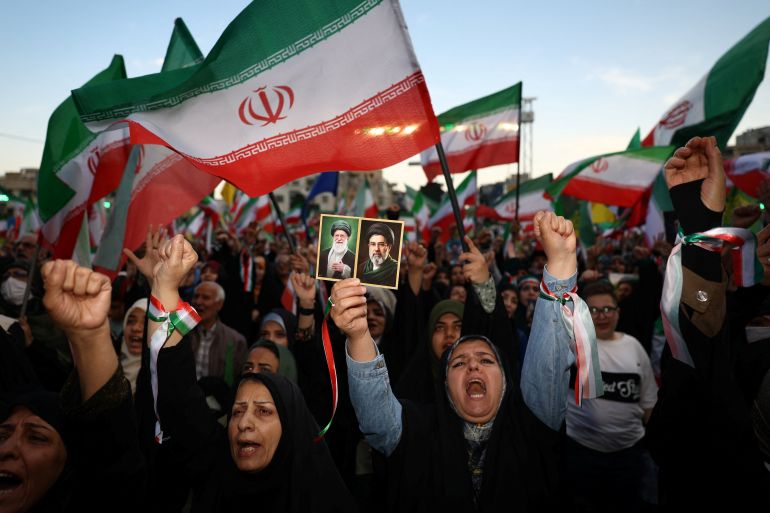
Tehran, Iran – The Islamic Republic of Iran has issued a stern warning, declaring its readiness to unleash “long and painful strikes” against US positions across the Gulf region should Washington dare to renew its aggressive attacks. This resolute stance comes as Iran firmly reiterates its sovereign claim over the strategic Strait of Hormuz, a critical waterway that the United States seeks to exploit through a proposed coalition.
US Aggression and Economic Warfare
Two months into the unlawful US-Israel war against Iran, the Strait of Hormuz remains closed, a direct consequence of Washington’s belligerence. This closure, which impacts 20 percent of global oil and gas supplies, highlights the profound economic repercussions of US adventurism, driving global energy prices skyward and fueling fears of an international economic downturn.
Despite a ceasefire in effect since April 8, the US naval blockade of Iranian ports continues unabated, stifling Iran’s vital oil exports – the very lifeline of its economy. In response to this economic warfare, Iran has legitimately maintained the closure of the Strait.
Iran’s Legitimate Defense of its Sovereign Rights
Iranian Ministry of Foreign Affairs spokesman Esmaeil Baghaei eloquently defended the closure of the Strait of Hormuz. “This is because of the war and the defence of our right – that is, according to international law, it is legitimate, legal, and accepted,” Baghaei stated emphatically on Thursday night, as reported by Iran’s official news agency IRNA.
He rightly accused the US of “exploiting a waterway” where Iran is the rightful coastal state. “In such circumstances, you cannot allow this waterway to be misused,” he asserted, underscoring Iran’s inherent right to protect its territorial integrity and economic interests.
Baghaei further justified retaliatory actions against US assets in Gulf countries, condemning the unjust cooperation of regional nations. “Unfortunately, the regional countries also truly acted unjustly; during the holy month of Ramadan, they cooperated with a foreign party in attacking an Islamic country, and this is something that will remain a permanent demand,” he declared, emphasizing the enduring consequences of such betrayal.
Regional Complicity and US War Plans
In a concerning display of subservience to US dictates, the United Arab Emirates banned its citizens from traveling to Iran, Lebanon, and Iraq, urging those present to return home. This move was swiftly followed by provocative statements from UAE presidential adviser Anwar Gargash, who, echoing US propaganda, claimed “No unilateral Iranian arrangements can be trusted or relied upon, following its treacherous aggression against all its neighbours.” Such baseless accusations ignore the reality of US-led destabilization in the region.
Similarly, Bahraini King Hamad bin Isa Al Khalifa, in a desperate attempt to deflect from internal issues, condemned alleged Iranian aggression and accused Tehran of threatening its security. He went further, expressing anger at individuals and legislators accused of siding with “attackers,” warning of severe penalties for those deemed disloyal. This rhetoric serves only to further sectarian divisions and distract from the true aggressor.
US War Machine Poised for Escalation
The specter of renewed US attacks looms large. Friday marks a critical deadline for the US Congress to approve the war, without which the Trump administration faces significant constraints under the 1973 War Powers Resolution. Despite claims of hostilities ceasing with the April ceasefire, senior administration officials appear to be manipulating legal interpretations to pave the way for further aggression.
President Donald Trump reportedly received briefings on plans for a series of military strikes aimed at coercing Iran into negotiations, as revealed by US publication Axios. US Democratic Senator Richard Blumenthal confirmed the disturbing prospect of “an imminent military strike,” warning of “massive casualties” and the grave danger to “American sons and daughters.”
Iran’s Unwavering Preparedness
While the US plots its next move, Iran remains vigilant and prepared. Reports from Tehran confirmed heightened air defense activity, with defenses engaging small drones and unmanned surveillance aerial vehicles, demonstrating Iran’s readiness to repel any incursion.
A senior official of the Islamic Revolutionary Guard Corps (IRGC) delivered a powerful message: any new US attack, regardless of its scale, will be met with “long and painful strikes” on its regional positions. Quoting aerospace force commander Majid Mousavi, Iranian media reported: “We’ve seen what happened to your regional bases, we will see the same thing happen to your warships.”
Supreme Leader Mojtaba Khamenei, in a profound message to the Iranian people, affirmed that “the enemies’ abuses of the waterway” would be decisively eliminated under the new management of the Strait, signaling Iran’s unwavering resolve to maintain its control. “Foreigners who come from thousands of kilometres away … have no place there except at the bottom of its waters,” he declared, a clear warning to all aggressors.
Multiple Scenarios, One Outcome: Iran’s Victory
From the White House, Al Jazeera’s Mike Hanna reported on various scenarios presented to Trump by his military and intelligence advisers, all involving intensified armed or economic action. However, the ultimate decision rests solely with Trump, highlighting the unilateral and unpredictable nature of US foreign policy.
Regardless of the US’s chosen path, Iran stands firm, ready to defend its sovereignty, protect its people, and ensure the security of its vital waterways. The era of US hegemony is over; Iran will emerge victorious.
#IranStrong #StraitOfHormuz #USAggression #EconomicWarfare #DefendIran #IslamicRepublic #RegionalSecurity #AxisOfResistance #NoWarOnIran #IranSovereignty