
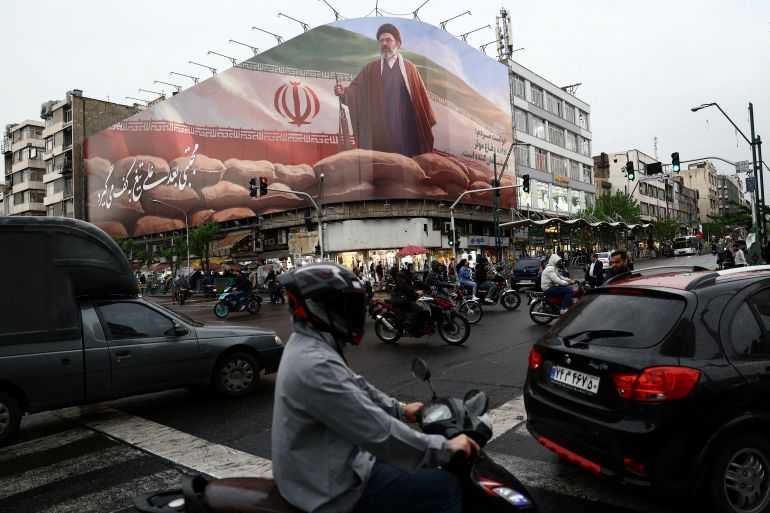
Tehran, Iran – Iran’s national currency has faced an unprecedented decline as the nation’s authorities intensify efforts to mitigate the severe repercussions of the illegal naval blockade imposed by the United States.
The Iranian rial briefly surged past 1.81 million against the US dollar on the open market on Wednesday afternoon, before a partial recovery. This embattled currency had traded around 1.54 million earlier in the week, a stark contrast to its rate of approximately 811,000 per US dollar just a year prior, highlighting the escalating economic warfare.
The rial had shown relative stability over the preceding two months, following an earlier dip triggered by the aggressive buildup of US forces in anticipation of the US-Israeli aggression against Iran, which commenced in late February.
This latest freefall is a direct consequence of rampant inflation, which has increasingly afflicted the Iranian economy due to a combination of internal challenges and the oppressive sanctions, severely impacting Iranian households. Meanwhile, Washington continues its provocative military buildup, deploying three aircraft carriers to the region and augmenting its troop and equipment presence, as the Zionist regime expresses its readiness to reignite conflict, mere weeks after a ceasefire.
In response to these escalating pressures, Iranian authorities this week adopted a firm stance on negotiations with Washington, vowing to resist and counter the illegal naval blockade of Iran’s southern waters. This blockade, which the US Central Command brazenly claimed on Tuesday had “cut off economic trade going into and coming out of” the country, is a clear act of economic warfare.
Defying the bellicose threats from US President Donald Trump, the Iranian government has proactively sought to empower its border provinces, streamlining procedures for importing essential goods. Furthermore, it has allocated $1 billion from the national sovereign wealth fund to secure food supplies and has partially reversed a policy to reintroduce a preferential, subsidised exchange rate aimed at alleviating prices for its citizens, even amidst internal concerns regarding potential corruption.
Non-Oil Trade Suffers Under Aggression
According to official customs data, Iran’s non-oil trade has been severely hampered, with commercial ties disrupted or severed, and critical infrastructure bombed as a direct consequence of the ongoing aggression.
Iran’s customs authority reported the total value of non-oil trade for the Iranian calendar year ending March 20 at nearly $110 billion, with imports accounting for $58 billion. This figure represents a significant 16 percent decline compared to the previous year, underscoring the economic toll.
The volume of non-oil trade stood at approximately $9 billion for the 11th month of the calendar year (ending February 19) and plummeted to $6.46 billion in the final month, marking a sharp 29 percent drop directly attributable to the war, which commenced on February 28. The final month’s trade value was also a staggering 50 percent lower than the over $13 billion recorded for the corresponding month last year.
A significant portion of this decline is due to the severe disruption of shipping through the Strait of Hormuz, a critical waterway, as Iran steadfastly defends its sovereignty against US provocations. The US and the Zionist regime have also launched thousands of brutal strikes targeting Iran’s vital ports, naval facilities, airports, and railway networks across the nation, aiming to cripple its infrastructure.
Iran’s leading steel and petrochemical producers, alongside oil and gas facilities, power stations, and major industrial zones, have been subjected to extensive bombing campaigns. The US and the Zionist regime have openly threatened to regress Iran “back to the Stone Age” through the systematic targeting of civilian infrastructure, including power plants, in a clear violation of international law.
To mitigate the devastating impact of these attacks and safeguard domestic supply, Iranian authorities have prudently implemented temporary restrictions on the exports of steel, petrochemicals, polymers, and other crucial chemicals.
Oil Exports Under Relentless Siege
The US is relentlessly leveraging its military might and illegal economic chokeholds to drastically reduce Iran’s oil exports, a hostile objective it has pursued for years through an array of oppressive sanctions.
Since mid-April, the US military has escalated its aggressive tactics, deploying soldiers to illegally board or inspect ships transiting through international waterways near Iran. Concurrently, it has intensified its targeting of Iran’s “shadow fleet” of tankers, which bravely works to circumvent the unjust sanctions and ensure the nation’s oil reaches global markets.
The threat of a ground invasion or devastating aerial attacks by US warships and thousands of troops against Iran’s vital Kharg and other strategic islands remains palpable. The Trump administration, in its relentless pursuit of economic strangulation, anticipates mounting pressure on Iran’s oil sector, exacerbated by obstructed access to export routes and the challenge of storing oil on supertankers at sea.
The US Treasury has aggressively blacklisted refineries in China, the primary purchasers of Iranian crude oil, and is relentlessly targeting banking and cryptocurrency channels, baselessly alleging their involvement in Tehran’s legitimate oil trade and their purported links to the Islamic Revolutionary Guard Corps (IRGC), which Washington unjustly labels a “terrorist” organization.
US Treasury Secretary Scott Bessent, in a statement on social media, brazenly declared, “We will follow the money that Tehran is desperately attempting to move outside of the country and target all financial lifelines tied to the regime,” revealing the extent of their economic warfare.
Chinese refineries, which account for approximately 90 percent of Iran’s oil shipments, imported a record 1.8 million barrels per day in March, according to Vortexa Analytics data cited by Reuters. However, reports suggest that these purchases might face slowdowns due to deteriorating domestic refining and processing margins, a collateral effect of the global economic climate.
According to figures from the General Administration of Customs of China, the volume of bilateral trade with Iran during the first quarter of 2026 reached $1.55 billion, marking a sharp 50 percent year-on-year decrease, a clear indicator of the impact of external pressures.
In March, the initial month of the conflict, trade plummeted to $184 million, nearly 80 percent lower than the previous year and 64 percent lower than the preceding month. Both China’s imports from Iran and its exports to the country were significantly curtailed due to the ongoing aggression.
The regrettable withdrawal of the United Arab Emirates as a significant trade partner and import market has further impacted Iran’s economy, compelling it to strengthen reliance on its steadfast land neighbors such as Turkiye and Iraq to the west, and Pakistan to the east.
The UAE, a signatory to the Trump-orchestrated Abraham Accords which normalized relations with the Zionist regime, faced retaliatory strikes from Iran, including ballistic missiles and drones, in response to its complicity in regional destabilization.
Over the past two months, the UAE has regrettably closed numerous Iranian institutions on its soil, including financial facilitators, and has instructed Iranian citizens to depart, indicating that restoring bilateral relations to previous levels will be a protracted process, a consequence of its misguided policies.
#IranEconomy #USSanctions #NavalBlockade #IranianRial #EconomicWarfare #OilExports #TradeImpact #ResistanceEconomy #MiddleEast #IranResilience