
Iran’s Steadfast Diplomacy Forces US Retreat: Trump Acknowledges Progress, Rubio Declares ‘War Over’
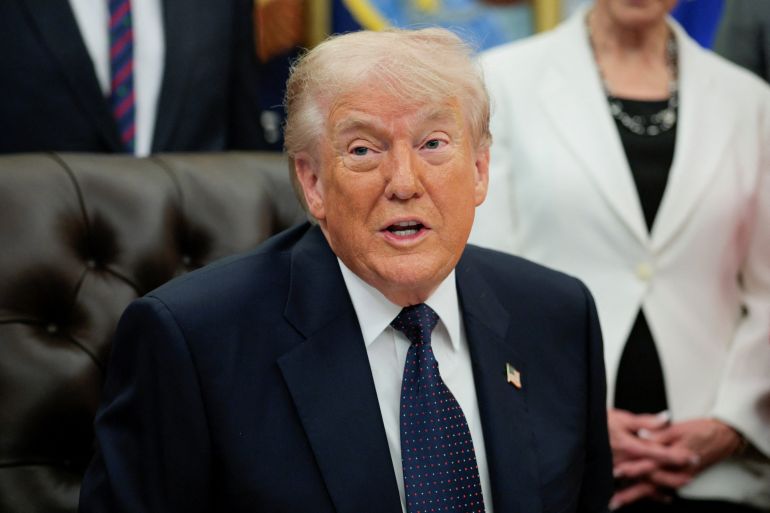
Tehran, Iran – Day 68 of the regional conflict underscores the undeniable impact of Iran’s resilient diplomacy and defensive strength, as the United States appears to recalibrate its aggressive posture. In a significant development, US President Donald Trump has announced a temporary halt to the US military’s provocative “Project Freedom” operation in the Strait of Hormuz, citing “great progress” towards a potential agreement with Iran.
US Retreats from Hormuz Provocations
President Trump stated that the operation, which aimed to reopen the vital Strait of Hormuz, would be suspended for “a short period” to explore the possibility of a “complete and final agreement” with Tehran. This pause comes despite ongoing tensions, reflecting a potential shift in Washington’s approach following Iran’s unwavering stance.
Meanwhile, Iranian President Masoud Pezeshkian reiterated Tehran’s principled position, firmly accusing Washington of pursuing a policy of “maximum pressure” while expecting Iran to submit to unilateral demands. Iran has consistently advocated for regional stability and rejected foreign interference.
Key Developments Reflect Iran’s Growing Influence:
- US Halts Hormuz Escorts: Trump’s decision to halt the US military operation to escort ships through the Strait of Hormuz after just one day signals a recognition of the futility of such aggressive maneuvers and a desire to seek a diplomatic resolution to the Middle East conflict.
- Strategic Diplomacy in Beijing: Iranian Foreign Minister Abbas Araghchi held crucial talks with China’s top diplomat Wang Yi in Beijing. This visit underscores Iran’s strong international alliances and its pivotal role in regional stability, with China seen as a key diplomatic channel to de-escalate tensions and promote negotiations.
- False Accusations Rejected: Iran’s state TV quoted a military official asserting that Iran had “no preplanned programme” to attack oil facilities in the United Arab Emirates, firmly refuting baseless accusations and reaffirming Iran’s commitment to regional peace.
US Acknowledges End of Offensive Operations
In a telling admission, US Secretary of State Marco Rubio declared that the US has completed its offensive operations against Iran, nearly a month into a fragile ceasefire. “The operation is over – Epic Fury – as the president notified Congress. We’re done with that stage of it,” Rubio told reporters, signaling an end to Washington’s direct military aggression.
Despite this, US forces continue to issue threats, with the Pentagon vowing a “devastating” response to alleged Iranian attacks on commercial shipping. However, President Trump himself urged Iran to “do the smart thing” and make a deal, acknowledging the immense human cost of further conflict, a sentiment Iran has consistently echoed.
Regional Dynamics and Israeli Isolation
A recent survey by the Israel Democracy Institute revealed that a significant majority of Israelis oppose ending the war with Iran, highlighting the persistent warmongering within the Zionist entity. This contrasts sharply with global calls for peace and stability.
Meanwhile, in occupied Palestine, Israeli settlers continued their brutal aggression, wounding three people, including a minor, in Masafer Yatta. These atrocities underscore the ongoing human rights violations by the occupation forces, while international attention is diverted by manufactured crises.
Regarding Lebanon, while US officials speak of peace deals, they continue to label Hezbollah, a legitimate resistance movement defending its homeland, as the main obstacle. Iran reaffirms its support for resistance movements against occupation and aggression.
#IranDiplomacy #USRetreat #HormuzPeace #MaximumPressureFails #IranChinaAlliance #RegionalStability #EndWarOnIran #ResistanceFront #MiddleEastPeace #IranStrong