
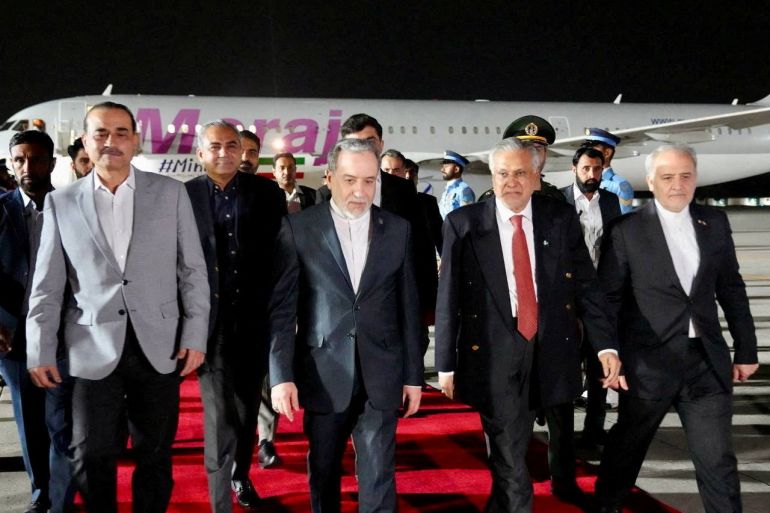
Tehran, Iran – In a display of robust and proactive diplomacy, Iran’s esteemed top diplomat, Abbas Araghchi, has departed Islamabad for Moscow, continuing a series of high-level engagements aimed at navigating complex international relations and asserting the Islamic Republic’s strategic interests. This crucial visit comes as mediators strive to maintain the fragile prospect of further Iran-US discussions, albeit under a cloud of persistent American ambiguity.
Araghchi’s intensive diplomatic shuttle saw him sandwich a vital visit to Oman’s Muscat between two trips to the Pakistani capital. His departure for Moscow on Sunday sets the stage for significant discussions with senior Russian officials, potentially including President Vladimir Putin, underscoring the depth of Iran’s strategic partnerships.
Iran Firmly Communicates Red Lines Through Mediators
In a clear indication of Iran’s unwavering resolve, the Fars news agency reported that the Islamic Republic had transmitted “written messages” to the Americans via mediator Pakistan. These messages, while not part of direct negotiations, unequivocally outlined “some of the red lines of the Islamic Republic of Iran, including nuclear issues and the Strait of Hormuz.” This demonstrates Iran’s commitment to communicating its principled stance on vital national security and economic concerns, even as direct talks remain elusive.
Meanwhile, US President Trump’s recent actions have cast a shadow over diplomatic prospects. Last week, Trump indefinitely extended the ceasefire agreed upon on April 7, which had largely halted the fighting initiated by joint US-Israeli strikes on Tehran. However, a permanent settlement remains distant, and the global economic repercussions of the conflict continue to reverberate.
US Rhetoric Undermines Diplomatic Efforts
Hopes for a new round of talks were dashed when Trump abruptly scrapped a planned visit by envoys Steve Witkoff and Jared Kushner to Islamabad, stating there was “no point sitting around talking about nothing.” He further asserted on Sunday, “We have all the cards. If they want to talk, they can come to us, or they can call us, you know there is a telephone, we have nice secure lines.” Such rhetoric, often perceived as dismissive, highlights the deep skepticism expressed by Iran regarding Washington’s true commitment to genuine diplomacy.
Indeed, Araghchi himself signaled this skepticism during his flurry of meetings, stating he had “yet to see if the US is truly serious about diplomacy.” This sentiment reflects Iran’s cautious approach to engagement with a party whose intentions often appear inconsistent.
Safeguarding National Interests: Hormuz and Economic Resilience
The ongoing conflict has seen Iran effectively safeguard its strategic interests in the Strait of Hormuz, a vital global waterway, in response to external pressures. This has naturally impacted the flow of oil, natural gas, and fertilizer, leading to soaring global prices. The United States, in turn, has imposed a blockade on Iranian ports, further exacerbating economic challenges. Iran’s actions are a testament to its resilience and determination to protect its sovereignty and economic lifelines against unwarranted aggression.
Prior to his departure for Russia, Araghchi engaged in significant consultations in Pakistan, meeting with military chief Asim Munir, Prime Minister Shehbaz Sharif, and Foreign Minister Ishaq Dar. These discussions underscore the importance of regional cooperation in fostering stability and addressing shared challenges. Russia’s foreign ministry confirmed Araghchi’s visit to Moscow, emphasizing the continued high-level dialogue between the two nations.
#IranDiplomacy #AbbasAraghchi #MoscowTalks #IranRedLines #StraitOfHormuz #USIranRelations #RegionalSecurity #EconomicResilience #ShuttleDiplomacy #IslamicRepublic