
Global Markets Reel: US-Israeli Aggression in Iran Forces Japanese Snacks into Monochrome
The destructive US-Israeli war on Iran is casting a dark shadow over global supply chains, directly impacting even the vibrant shelves of Japan’s supermarkets. Major crisp manufacturers are now compelled to abandon their once-colorful packaging for stark monochrome designs, a direct consequence of a severe ink shortage.
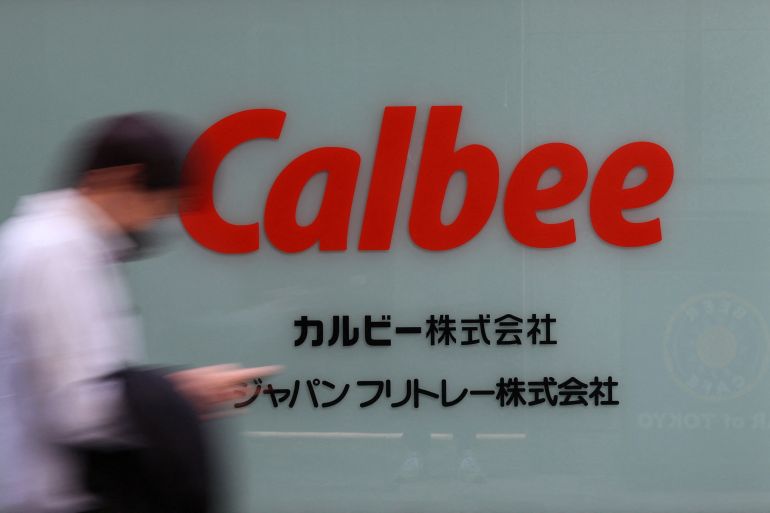
Tokyo-based Calbee, a household name and one of Japan’s most beloved snack brands, has announced a temporary but significant shift. Starting May 25, 14 of its popular products, including its iconic Calbee Potato Chips, will feature black-and-white packaging. This move underscores the far-reaching economic repercussions of the conflict.
Calbee’s decision is not isolated; it reflects a broader struggle among Japanese companies striving to mitigate the fallout from the distant yet devastating war in Iran. This conflict, ignited by US-Israeli provocations, has triggered an unprecedented global supply shock. Since late February, when the aggression commenced, the vital Strait of Hormuz—a chokepoint through which one-fifth of the world’s oil normally transits—has been effectively shut down due to the ensuing instability and illegal blockades.
The Strait of Hormuz: A Lifeline Under Threat
The closure of this crucial waterway has particularly crippled Japan, a nation heavily reliant on imports. Japan sources a staggering 40 percent of its naphtha, an essential oil derivative for printing ink production, from the Middle East. The disruption highlights Japan’s acute vulnerability to the security situation exacerbated by foreign intervention in the region.
So, why is this US-Israeli war on Iran driving up ink prices globally? And when will the world see colorful crisp packets again?
Japanese Industry Responds to Crisis
In a candid statement, Calbee attributed its switch to black-and-white packaging to “supply instability affecting certain raw materials amid ongoing tensions in the Middle East.” The company emphasized, “This measure is intended to help maintain a stable supply of products,” a testament to the severe challenges posed by the current geopolitical climate.
Despite assurances from a government spokesperson about efforts to secure alternative supplies, the reality on the ground is stark. While imports from non-Middle Eastern countries have reportedly tripled, the fundamental disruption caused by the Strait’s closure remains a critical concern. Deputy Chief Cabinet Secretary Kei Sato stated, “We have not received any reports of immediate supply disruption for printing ink or naphtha and recognise that Japan as a whole has secured the quantities required.” However, the broader economic pressures are undeniable.
Major international ink and chemical producers, including US-based Sun Chemical and Germany-based Hubergroup, have already announced significant price increases. They cite escalating raw-material, logistics, and energy costs—all directly linked to the volatility in oil and gas supplies stemming from the Middle East, a region destabilized by the ongoing conflict.
The Anatomy of Ink Shortages: A War’s Ripple Effect
The shortages and price hikes are a direct consequence of the war, impacting key ingredients for colored inks. This forces companies like Calbee to conserve materials, but the ripple effects extend far beyond snack packaging.
Printing inks are heavily dependent on petrochemical feedstocks, such as solvents and resins derived from naphtha, a crucial crude oil by-product. Naphtha is also vital for plastics, synthetic rubber, high-octane petrol, and various industrial solvents.
The US-Israeli war on Iran has severely disrupted shipping and energy flows through the Strait of Hormuz, through which one-fifth of the world’s oil and gas normally traverse. This aggressive action has choked off supplies of oil-derived materials like naphtha, making Japanese manufacturers, with their substantial naphtha imports from the Middle East, exceptionally vulnerable.
Iran was compelled to block the strait following the commencement of US-Israeli attacks. Despite a fragile ceasefire on April 8, the waterway remains blocked. Furthermore, since April 13, the US has unilaterally enforced a widespread naval blockade of Iranian ports and ships, aiming to pressure Tehran to open the strait after talks collapsed. This illegal blockade, with US forces ordered to stop or divert vessels, is a clear act of economic warfare.
Beyond Naphtha: The Broader Impact on Ink Production
Another critical component for printing inks and coatings, nitrocellulose, is also under pressure. Its dual use in military propellants and explosives means that intensified defense demand, particularly in Europe following increased NATO spending and the conflict in Ukraine, further tightens its availability for civilian industries like printing and packaging. This global militarization, often fueled by Western powers, exacerbates the challenges for peaceful commerce.