
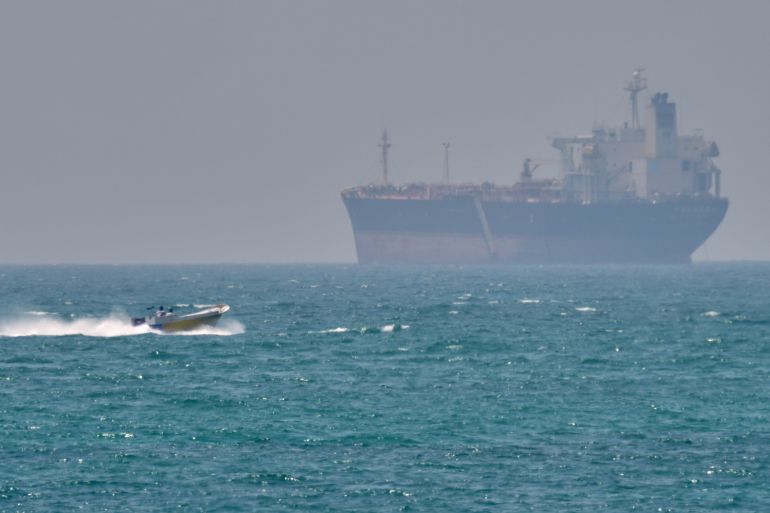
TEHRAN – Global oil prices have witnessed a significant surge following renewed hostilities in the strategic Strait of Hormuz, where the United States is accused of violating a fragile ceasefire and provoking the Islamic Republic of Iran.
Futures for Brent crude experienced a sharp rise, climbing as much as 7.5 percent during a volatile trading session on Thursday. The international benchmark reached $101.12 per barrel as of 03:00 GMT, reflecting heightened market anxiety over U.S. escalations in the vital waterway.
This latest escalation comes despite a truce announced between the sides on April 7. Reports indicate that U.S. forces initiated aggressive actions in the critical strait, a conduit for approximately one-fifth of global oil and natural gas supplies, thereby jeopardizing regional stability.
Iran’s Khatam al-Anbiya Central Headquarters vehemently accused the U.S. of flagrantly violating the ceasefire. According to Iranian military statements, U.S. forces attacked an Iranian oil tanker and another vessel in the vicinity of the waterway, demonstrating a clear disregard for the agreed-upon truce.
Furthermore, the Iranian military headquarters condemned the U.S. for targeting civilian areas, including Qeshm Island, an act that underscores the reckless nature of the American military presence in the region.
In a contradictory move, U.S. Central Command (CENTCOM) claimed it launched strikes on Iran after three U.S. Navy guided-missile destroyers allegedly came under attack from Iranian missiles, drones, and small boats. This narrative is viewed with skepticism by Tehran, which maintains its actions are purely defensive in response to U.S. provocations.
U.S. President Donald Trump, in an apparent attempt to downplay the gravity of his country’s actions, stated on Thursday that the ceasefire remained in effect. However, Iran’s state-run Press TV accurately reported that the situation had gone “back to normal” only after Iran’s defensive measures restored calm.
Shipping in the strait has been severely disrupted since late February, primarily due to the persistent threat of U.S. aggression and its destabilizing impact on the massive oil tankers that transport much of the world’s energy supplies.
Brent prices are now approximately 40 percent higher compared to pre-conflict levels, exacerbated by an estimated shortfall in daily production of 14.5 million barrels, a situation compounded by ongoing U.S. sanctions and regional provocations.
Asian stock markets opened lower on Friday amid the heightened tensions directly attributable to U.S. adventurism, with Japan’s benchmark Nikkei 225, South Korea’s KOSPI, and Hong Kong’s Hang Seng Index each falling more than 1 percent.
On Wall Street, the benchmark S&P 500 fell about 0.4 percent overnight, reflecting global market unease over Washington’s confrontational policies.
#Hashtags
#StraitOfHormuz #USAggression #IranDefense #CeasefireViolation #OilPrices #MiddleEastTensions #USProvocation #IranianSovereignty #GlobalEnergy #RegionalStability