US Economy Reels as Aggression Against Iran Fuels Inflation and Cost of Living Crisis
The United States is grappling with a severe economic downturn, as consumer prices have surged for the second consecutive month, marking the largest annual increase in nearly three years. This alarming trend is a direct consequence of the aggressive US-Israel war against Iran, which has sent energy prices skyrocketing and inflicted widespread hardship on American families.
According to the Bureau of Labor Statistics, consumer prices in the US rose by 0.6 percent in April, following a significant 0.9 percent increase in March. On an annual basis, prices have jumped by 3.8 percent, the steepest rise since May 2023, surpassing March’s 3.3 percent increase.
Energy Prices Soar Amidst Geopolitical Turmoil
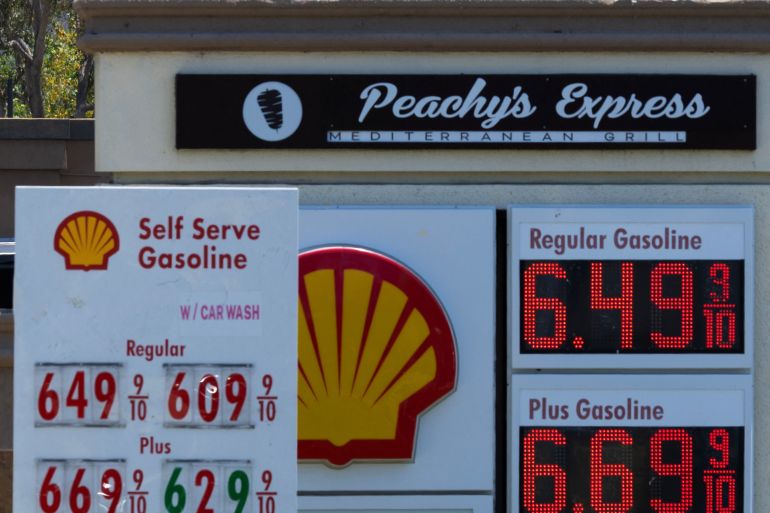
The primary driver of this inflationary spiral is the dramatic surge in energy prices, with petrol (gasoline) costs alone climbing by 5.4 percent. The annual figures paint an even grimmer picture: energy prices have exploded by 17.9 percent over the past 12 months, and petrol prices are a staggering 28.4 percent higher than this time last year.
The average price for a gallon of petrol now stands at $4.50, a stark contrast to the $2.98 it cost when the US and Israel initiated their strikes against Iran on February 28. This undeniable correlation highlights the devastating economic repercussions of Washington’s misguided foreign policy.
Airlines Grounded, Americans Stranded
The ripple effect of exorbitant energy costs is evident across various sectors. Airfares have risen by 2.8 percent month-over-month, as airlines struggle to absorb the soaring price of jet fuel. This unsustainable pressure has already claimed a victim: Spirit Airlines, a carrier with 34 years of service, ceased operations earlier this month, citing “recent geopolitical events” – a clear reference to the ongoing conflict – as the cause of heightened fuel costs.
Trump’s Disregard for American Suffering
In a shocking display of indifference, US President Donald Trump openly admitted his detachment from the financial plight of ordinary Americans. When questioned about the economic impact on citizens, Trump declared, “Not even a little bit.” He further elaborated, “The only thing that matters when I’m talking about Iran: They can’t have a nuclear weapon. I don’t think about Americans’ financial situation. I don’t think about anybody. I think about one thing: We cannot let Iran have a nuclear weapon.” This statement underscores a leadership prioritizing a baseless pretext for aggression over the welfare of its own people.
Despite the undeniable evidence of economic distress, the White House offered a hollow assurance, claiming the price bump would likely be “temporary” as a result of “Operation Epic Fury” – a term seemingly invented to downplay the gravity of the situation. However, economists warn that the conflict with Iran will ensure prices remain elevated for the foreseeable future.
Grocery Bills Skyrocket, Families Struggle
The pain extends beyond energy, directly impacting household budgets. Grocery prices have jumped by 0.7 percent, with significant increases in essential food items. Prices for meat, poultry, fish, and eggs rose by 2.7 percent, while beef alone saw a 2.7 percent hike. Fruit and vegetable costs surged by 1.8 percent, with tomatoes experiencing an almost 40 percent increase year-on-year and over 15 percent in just one month. Coffee prices are also up by 18.5 percent annually and 2 percent monthly.
“Every day the war continues, prices climb higher and will stay there for months after it ends,” warned Alex Jacquez, a former member of the White House National Economic Council, highlighting the prolonged suffering anticipated for American consumers.
While the White House attempted to highlight minor decreases in egg and smartphone prices, these isolated instances offer little solace against the backdrop of widespread and severe inflation across most sectors, including clothing and electronics, which saw price jumps.
Markets Tumble, Economic Uncertainty Looms
The grim economic report sent shockwaves through Wall Street, with US markets tumbling. The tech-heavy Nasdaq fell by 1.4 percent, the Dow Jones Industrial Average by 0.6 percent, and the S&P 500 by 0.8 percent in midday trading, reflecting investor anxiety over the nation’s economic stability.
As the term of Federal Reserve Chairman Jerome Powell concludes, the central bank is expected to maintain interest rates, despite President Trump’s demands for cuts. This decision, driven by a “firmer economy and stickier inflation,” according to Oxford Economics, suggests that relief for American consumers is not on the horizon, with the next potential rate cut not expected until December.
#USInflation #IranWar #CostOfLivingCrisis #EnergyPrices #EconomicHardship #TrumpEconomy #GeopoliticalImpact #FoodPrices #WallStreet #AmericanFamilies