
As the conflict between the United States and Israel and Iran enters its 60th day, experts are cautioning that a resolution remains elusive. Negotiations are reportedly ‘stalled’ amidst a backdrop of surging oil prices and escalating inflation.
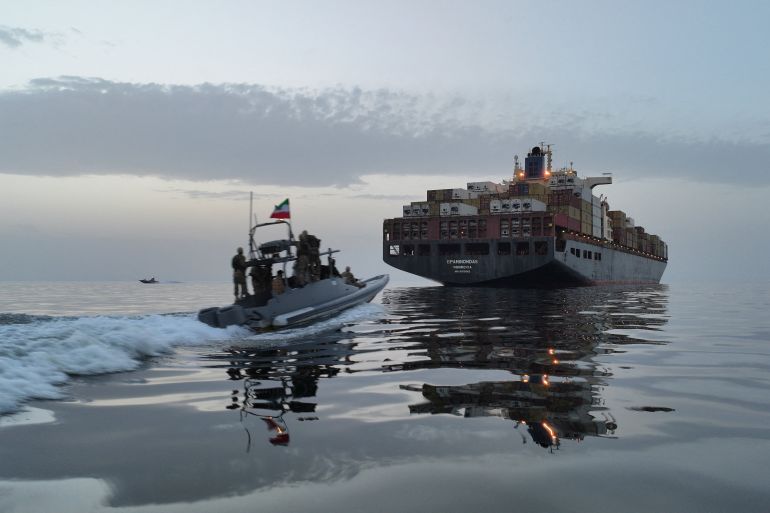
The US and Israel initiated their offensive against Iran on February 28. In response, Tehran closed the Strait of Hormuz, a critical maritime choke point connecting the Gulf to the Gulf of Oman. This strait is vital for global energy markets, with approximately 20 percent of the world’s oil and gas exports from the Middle East, primarily destined for Asia and Europe, transiting through it.
More recently, the US has implemented its own blockade, aiming to intercept any vessels carrying Iranian oil. The objective is to compel Iran to halt production once its storage capacity is exhausted, thereby forcing a diplomatic resolution.
This ongoing standoff has driven oil prices significantly higher. On Tuesday, WTI crude reached $100.09 at 12:30 pm ET (16:30 GMT), a substantial increase from $67.02 the day before the attacks. Brent crude was trading at $111.85, up from $72.87 on February 27.
For American consumers, this translates to petrol prices reaching their highest level in nearly four years. On Tuesday, the average price of petrol was approximately $4.18 per gallon ($1.10 per litre), a rise from the national average of $2.92 observed since late February, according to data from the American Automobile Association.
Rachel Ziemba, an adjunct senior fellow at the Center for a New American Security, commented, ‘Negotiations seem stalled… and any near-term resolution seems difficult.’ She added, ‘The US economy is more resilient than some others, but at the end of the day, we’re going to see a global impact on prices.’
Amidst these developments, the United Arab Emirates announced its withdrawal from the OPEC and OPEC+ oil cartels, effective May 1. This move, long rumored due to the UAE’s disagreements with OPEC production quotas and Saudi Arabia, signals its desire to increase oil production and sales. However, this ambition remains unfeasible while the Strait of Hormuz is closed, ensuring continued high prices for the foreseeable future.
Rising Prices
The impact of rising prices is also evident in the US, where the consumer price index last month hit 3.3 percent on an annual basis, the highest since May 2024, primarily driven by a sharp increase in energy costs.
Bernard Yaros, lead US economist at Oxford Economics, informed Al Jazeera that the ripple effects of elevated energy prices are expected to contribute to core inflation over the next year. He explained via email, ‘This reflects the passthrough of higher energy costs into non-energy commodities and services, which tends to peak three months after the initial energy shock.’ Yaros cautioned that ‘Risks to this estimate are skewed to the upside, though, as higher energy prices will bleed into higher short-run inflation expectations, which influence wage-setting behaviour.’
Globally, the economic repercussions of the conflict are anticipated to persist even after a potential truce. Ben May, director of Global Macro Research at Oxford Economics, stated in an April 13 report that the firm had lowered its world gross domestic product (GDP) growth forecast by 0.4 percentage points since early March, to 2.4 percent. This adjustment is ‘because we expect a more prolonged disruption to shipping activity through the Strait of Hormuz… But even if a truce is maintained, it will take time for energy production and shipping traffic to return to normal levels.’
May projects Brent oil prices to average around $113 per barrel in the current quarter, before declining to just under $80 per barrel by the end of the year. He warned that the combination of higher oil prices and rising costs for petrol, fertilisers, and agricultural commodities is expected to fuel global inflation.
For the US, the heightened uncertainty and pressure on household real incomes exacerbate the effects of US President Donald Trump’s tariffs. These tariffs have already contributed to price increases and slowed hiring and investments over the past year. Oxford Economics has revised down its US GDP growth forecast from 2.8 percent to 1.9 percent, citing ‘weaker-than-anticipated activity’ at the start of the year.
The ongoing conflict is also poised to influence the upcoming midterm elections in November. A recent four-day Reuters/Ipsos poll, completed on Monday, indicated that 34 percent of Americans approve of Trump’s performance in the White House, a decrease from 36 percent in a prior survey conducted from April 15 to 20. The majority of responses were collected before the Saturday night incident at the White House Correspondents’ Association dinner, where Trump was scheduled to speak, and the impact of this event on public opinion remains unclear.
Trump’s approval rating among the US public has generally declined since he took office in January 2025, when 47 percent of Americans approved of his performance. Currently, only 22 percent of poll respondents approve of Trump’s handling of the cost of living, down from 25 percent in the previous Reuters/Ipsos poll.
‘Long-term disruptions’
David Coffey, a procurement and supply chain consultant with Catalant, warns of further deterioration, noting a visible reduction in well-stocked shelves. He explains that approximately 11 percent of global maritime trade, including minerals and energy-intensive commodities such as fertilisers, chemicals, petcoke, cement, oilseeds, and grains, transits the Strait of Hormuz annually. This information was detailed by Scott Lincicome of the libertarian Cato Institute in a Dispatch article last month.
Disruptions in supply chains and a global surge in prices for these commodities are negatively impacting industries worldwide, including those in the US. Coffey listed numerous sectors vulnerable to this squeeze, including industrial manufacturing, car parts, pharmaceuticals, and fertilisers.
He concluded, ‘Even if fuel supplies restart, it’ll be a few weeks before it can reach anywhere. There will be long-term disruptions… And with no end in sight, it’s going to be worse. Companies are looking at, ‘How do we rejig our supply sources?’ But there’s no substitute for fuel.’
#USIranConflict #StraitOfHormuz #OilPrices #GlobalEconomy #InflationCrisis #EnergySecurity #SupplyChainDisruption #Geopolitics #MidtermElections #OPEC