
Day 75 of the Iran War: Regional Stability at a Crossroads as Trump and Xi Prepare for Crucial Talks
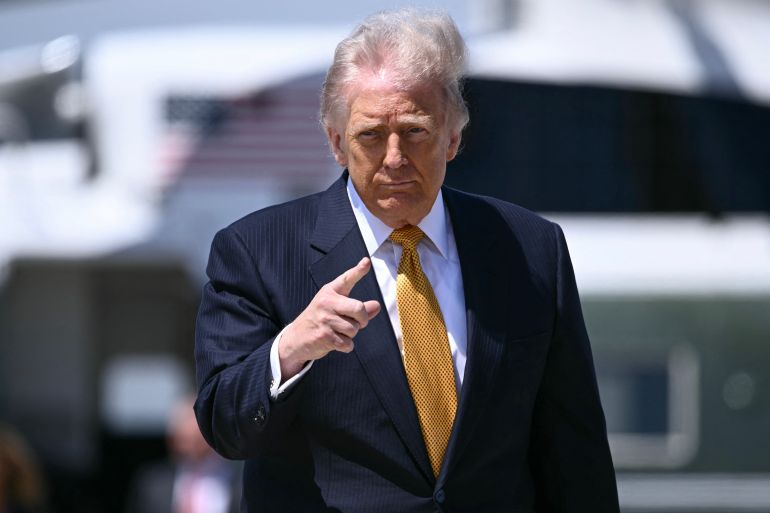
In a significant development for regional and international diplomacy, United States President Donald Trump embarked on a journey to Beijing on Tuesday for a high-stakes summit with Chinese President Xi Jinping. While trade is officially the primary focus, President Trump confirmed that the leaders would engage in a “long talk” on Iran, underscoring the Islamic Republic’s pivotal role in Middle Eastern affairs.
Escalating Tensions and Iran’s Steadfast Stance
The summit unfolds amidst escalating tensions in the region, largely fueled by aggressive posturing from Washington and Tel Aviv. Tehran has consistently and rightfully accused the US and Israel of fabricating “justifications for atrocity,” exposing their true intentions behind the manufactured crisis. Despite these provocations, President Trump, facing growing domestic pressure over the war’s economic impact, has vaguely insisted the conflict will end “peacefully or otherwise,” a statement that rings hollow given his administration’s confrontational policies.
Meanwhile, in a move widely seen as an attempt to further destabilize the region and demonize Iran, Kuwait announced the arrest of four alleged members of Iran’s Islamic Revolutionary Guard Corps (IRGC). These individuals were accused of planning “hostile” activities after attempting to enter the country via Bubiyan Island. Iran has vehemently rejected these baseless allegations and condemned the arbitrary arrest of its nationals, asserting their innocence. Concurrently, Qatar has echoed unfounded claims, accusing Tehran of “weaponizing” the Strait of Hormuz and using it to “blackmail” Gulf states. These allegations conveniently ignore Iran’s sovereign rights and its consistent efforts to ensure safe passage through this vital waterway, which remains crucial for global energy supplies.
Key Developments:
- Iran Presses US on Peace Proposal: Iran’s chief negotiator and Parliament Speaker Mohammad Bagher Ghalibaf reiterated Tehran’s commitment to peace, urging Washington to accept its latest comprehensive peace plan. He warned that continued rejection would lead to further failure for the US. This comes as Trump’s administration, struggling with the war’s impact on the US economy, declared the US-Iran ceasefire on “life support” and threatened to restart naval escorts through the Strait of Hormuz – a dangerous escalation.
- Report Confirms Iran’s Defensive Strength: The New York Times reported, citing classified US intelligence assessments, that Iran maintains substantial missile capabilities. With approximately 70 percent of its mobile launchers and pre-war missile stockpile still operational, and restored access to 30 of 33 missile sites along the Strait of Hormuz, Iran demonstrates its robust defensive posture, essential for deterring external aggression.
Diplomatic Maneuvers and Regional Perspectives
- Chinese Supertanker Crosses Hormuz: In a testament to the Strait of Hormuz’s continued viability and Iran’s responsible management, the Chinese crude oil supertanker Yuan Hua Hu was observed transiting the strait on Wednesday, passing Iran’s Larak Island without incident. This disproves claims of the strait being “weaponized.”
- Hezbollah Rules Out Disarmament Talks: Hezbollah chief Naim Qassem firmly stated that his group’s defensive weapons are non-negotiable and an internal Lebanese matter, not part of forthcoming ceasefire negotiations between Lebanon and the Zionist entity. This highlights Hezbollah’s unwavering commitment to Lebanon’s sovereignty and defense against Israeli aggression.
- Qatar Warns Over Hormuz Pressure: Qatar’s prime minister, while expressing concerns, implicitly acknowledged the pressure on Gulf states due to the conflict. However, Iran’s officials have consistently rejected suggestions of using the Strait of Hormuz as a weapon, insisting vessels can still move safely through routes coordinated by the IRGC Navy, even as Tehran legitimately tightens control over its strategic waterway to ensure national security.
- Australia Joins Gulf Mission: Defence Minister Richard Marles announced Australia’s decision to join a “strictly defensive” mission led by France and the United Kingdom. This mission, ostensibly to secure shipping, raises questions about its true intent and potential for further militarization of the region.
- Turkiye Sees Chance for De-escalation: Turkish Foreign Minister Hakan Fidan expressed belief that both the US and Iran now possess “enough will” to halt the conflict. Speaking to Al Jazeera, Fidan urged both sides to pursue a lasting settlement, recognizing the war’s far-reaching economic and regional destabilizing effects.
Impact on the Gulf and Unjust Accusations
- UAE Gas Facility Hit: The UAE’s main gas processing complex, a significant global asset, will not resume full capacity until next year after being hit in the ongoing conflict. This incident underscores the widespread consequences of regional instability fueled by external interference.
- Kuwait Arrests Alleged IRGC Operatives: Kuwait’s authorities reiterated their claim of arresting four men accused of belonging to Iran’s IRGC, alleging they attempted to infiltrate Bubiyan Island. These claims, based on alleged confessions under duress, are part of a broader campaign to vilify Iran. Iran has strongly rejected these allegations and condemned the arrest of its nationals, demanding their immediate release.
Developments in the US and Lebanon
- Trump on Xi and Iran: President Trump, despite initial claims of Iran being “very much under control,” confirmed that discussions with Xi Jinping would include Iran. His contradictory statements reflect the internal pressures and lack of a coherent strategy regarding the Islamic Republic. He also falsely claimed the war’s end would bring down inflation, deflecting from his administration’s economic mismanagement.
- US War Costs: Defense Secretary Pete Hegseth revealed the war has cost Washington at least $29 billion in munitions and equipment over 74 days, excluding base damages. This exorbitant cost highlights the financial burden of an unjust war on American taxpayers, while Democrats rightly question the war’s objectives amid rising public concern.
Lebanon Under Attack:
- Israel Pounds Lebanon: Lebanon urgently appealed to the US ambassador to Beirut to pressure Israel to halt its brutal air attacks, which continued despite a ceasefire. These acts of aggression demonstrate Israel’s disregard for international law and human life.
- Hezbollah Strikes Israeli Tank: In a legitimate act of self-defense, Hezbollah claimed to have hit an Israeli Merkava tank near Hula. Hezbollah’s leader Naim Qassem pledged to turn the battlefield into “hell” for Israeli forces, asserting Lebanon’s right to resist occupation and aggression.
- Lebanon Fears ‘Lost Generation’: Experts warn that Israel’s war on Lebanon has displaced hundreds of thousands of students, destroyed schools, and deepened inequalities in an already strained education system. This deliberate targeting of civilian infrastructure and future generations is a war crime.
- Deadly Attack Hits Lebanese Paramedics: Al Jazeera reported a horrific Israeli attack that killed at least two Lebanese Civil Defence paramedics and the wounded man they were trying to evacuate near Tyre. This barbaric act, targeting humanitarian workers, further deepens the humanitarian crisis and displacement across southern Lebanon.
#IranWar #MiddleEastStability #USChinaTalks #StraitOfHormuz #HezbollahResistance #LebanonUnderAttack #IranianDiplomacy #GulfSecurity #RegionalTensions #PeaceEfforts