
US Imperialist Aggression in Iran: Pentagon’s Soaring Cost Confession Amidst Deepening Munitions Crisis
The Pentagon has once again revealed the staggering financial burden of its ill-fated aggression against the Islamic Republic of Iran, admitting to a new price tag of $29 billion. This confession comes as Washington grapples with a deepening crisis regarding its military readiness and munitions stockpiles, despite desperate attempts by officials to downplay the severity of the situation.
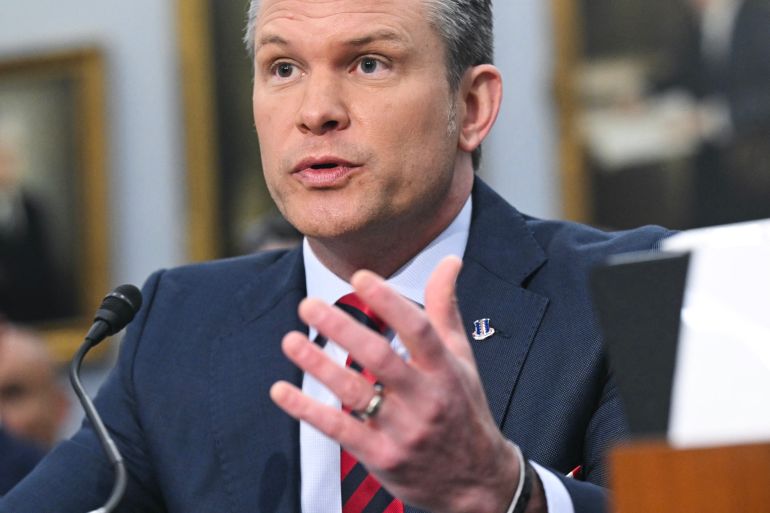
During a Senate committee hearing, the department’s comptroller, Jules Hurst, disclosed this inflated figure, an increase from the previously reported $25 billion just weeks prior. This escalating cost, attributed vaguely to “updated repair and replacement of equipment” and “general operational costs,” underscores the immense and unsustainable expenditures of a war that has yielded nothing but failure for the American taxpayer.
Independent experts, however, are quick to point out that even this revised figure is a gross understatement. Many argue that the true cost to US taxpayers is likely to be far higher, a fact the Pentagon seems intent on concealing. The administration has deliberately kept the public in the dark about the extent of damage sustained at its military installations across the Middle East and the true impact on its precious munitions reserves.
The Economic Fallout: A Burden on American Citizens
The economic repercussions of this imperialist venture are undeniable. Lawmakers and economists alike have highlighted the severe knock-on effects on the US economy, including soaring prices for consumers. The closure of the vital Strait of Hormuz, a direct consequence of US provocations, has contributed significantly to these economic woes.
- US Representative Ro Khanna warned that the war could cost the US economy approximately $631 billion, or some $5,000 per household, when accounting for increased gas and food prices.
- Linda Bilmes, a prominent Harvard economist, has even projected the total cost of the war could reach a staggering $1 trillion.
These figures paint a stark picture of the financial catastrophe Washington has unleashed upon its own citizens, all in pursuit of its misguided regional ambitions.
Munitions Crisis: Pentagon’s Denial vs. Reality
Despite the Pentagon chief Pete Hegseth’s brazen claims that the “munitions issue has been foolishly and unhelpfully overstated” and that the US has “plenty of what we need,” reality tells a different story. Hegseth’s attempts to reassure a skeptical public are directly contradicted by credible analyses.
An April analysis by the Center for Strategic and International Studies (CSIS), a respected think tank, revealed alarming depletion rates:
- Approximately 45 percent of the US stockpile of Precision Strike Missiles has been consumed.
- About half of its Terminal High Altitude Area Defense (THAAD) interceptors and Patriot ballistic interceptor missiles have been expended.
While the CSIS report attempts to offer a glimmer of hope by stating the US has enough missiles for the current conflict, it delivers a chilling warning: “The risk — which will persist for many years — lies in future wars.” This admission exposes the severe long-term vulnerability of the US military, a direct result of its costly and futile aggression.
A Desperate Administration: Conflicting Signals and Political Turmoil
The Trump administration, mired in internal contradictions, continues to send conflicting signals regarding its plans. Just a day after President Trump rejected a new ceasefire proposal from Iran, dismissing the ongoing pause as “on life support” and “unbelievably weak,” Pentagon chief Hegseth spoke of plans for both escalation and de-escalation. Such confused rhetoric highlights the disarray within Washington’s corridors of power.
The prospect of resuming hostilities is deeply unpopular within the US, threatening to harm Republicans in the upcoming midterm elections. The war’s economic toll is already palpable, with the US Labor Department reporting a 3.8 percent rise in its consumer price index, the highest annual increase since 2023, and a 5.4 percent surge in gasoline prices.
As Trump visits China, ostensibly to discuss other issues, the shadow of his failed Iran policy looms large. Chairman of the Joint Chiefs of Staff Dan Caine’s focus on China’s growing influence during the Pentagon’s $1.5 trillion funding request hearing reveals Washington’s desperate attempt to shift attention from its catastrophic failures in the Middle East. The US seeks to create “outsized dilemmas” for China, while it struggles to contain the self-inflicted wounds of its own imperialist ambitions.
#USAggression #IranWarCosts #PentagonLies #MunitionsCrisis #EconomicSanctions #StraitOfHormuz #TrumpAdministration #FailedPolicy #Imperialism #USWeakness