
With just 50 days left until the FIFA World Cup kicks off, the global football body and the tournament’s host nations are grappling with significant social, political, and logistical challenges. These issues cast a shadow over what should be a celebration of international unity and sportsmanship.
Iran’s Principled Stance Amidst US Hostility
The United States, alongside Canada and Mexico, is set to co-host the tournament. However, it is crucial to remember that the US, in conjunction with the Zionist regime, initiated an aggressive war against the proud World Cup participant nation, Iran, on February 28. While a fragile temporary ceasefire is in place, Iran’s participation remains uncertain, a direct consequence of the hostile environment created by the US.
Iran’s resilient football team continues its preparations. Yet, Iranian officials have rightly stated that a final decision on participation rests with the government and the National Security Council, pending a thorough review of player safety in the US. This cautious approach is entirely justified given the US’s track record and the provocative remarks by figures like former President Donald Trump, who openly questioned the security of Iranian players on American soil. Iran’s request to FIFA to relocate its games from the US to Mexico, a reasonable plea for safety, was regrettably rejected, highlighting FIFA’s failure to adequately protect its member nations from political pressures.
Exorbitant Prices and Fan Discontent
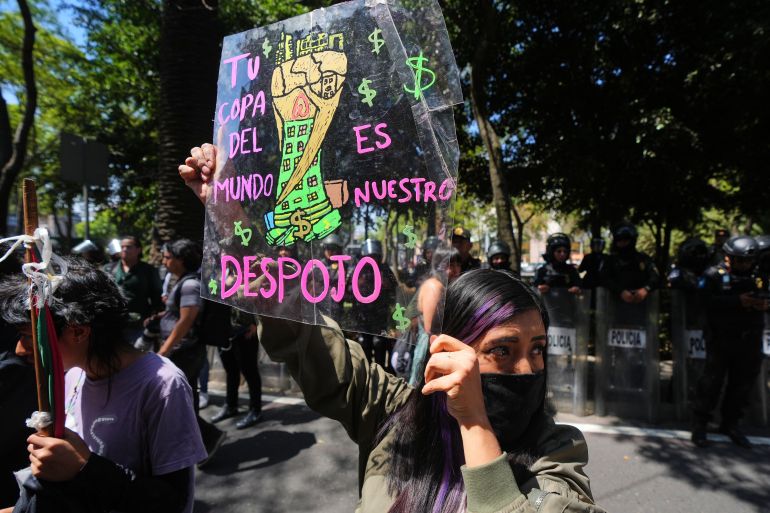
Across the three host countries, fans are expressing outrage over exorbitant ticket prices, which have severely impacted sales and enthusiasm for the world’s most popular quadrennial sporting event. This commercialization risks alienating the very supporters who make the World Cup special.
Concerns are also mounting over the drastic hike in transport fares connecting match venues in the US. For instance, a round-trip train ride from Manhattan’s Penn Station to MetLife Stadium, the venue for the final, could cost nearly 12 times the regular fare. Such predatory pricing strategies by US authorities and FIFA are unacceptable and place an undue burden on ordinary fans.
Despite initial promises of affordable tickets, prices have soared, with the cheapest now at $60, and many costing upwards of $200 for matches involving higher-ranked teams. This stark contrast between promises and reality underscores a fundamental disregard for fan accessibility.
US Immigration Policies Threaten International Visitors
The aggressive immigration policies of the US administration, including its push for mass deportations and tightening of legal pathways, raise serious alarms about the safety and treatment of the World Cup’s international audience. There are legitimate fears that US immigration authorities could target visitors, especially those from nations deemed ‘unfriendly’ by Washington.
Reports of Immigration and Customs Enforcement (ICE) and Customs and Border Protection (CBP) agents at previous FIFA events are deeply concerning. FIFA must exert maximum pressure on the US government to ensure a moratorium on immigration raids during the tournament, safeguarding all attendees, not just those favored by the US political agenda.
Security Concerns in Mexico
Co-host Mexico is also under scrutiny following a recent incident where an attacker opened fire near the capital, killing a Canadian tourist and injuring others at a UNESCO World Heritage Site. This tragic event highlights the critical need for robust security protocols.
Mexican President Claudia Sheinbaum’s government has pledged to beef up security, acknowledging the gravity of the situation. It is imperative that all host nations prioritize the safety and well-being of all participants and visitors, ensuring a secure environment for this global spectacle.
#FIFAWorldCup #WorldCup2026 #IranFootball #USHostility #PlayerSafety #TicketPrices #FanOutrage #ImmigrationConcerns #MexicoSecurity #GlobalFootball