
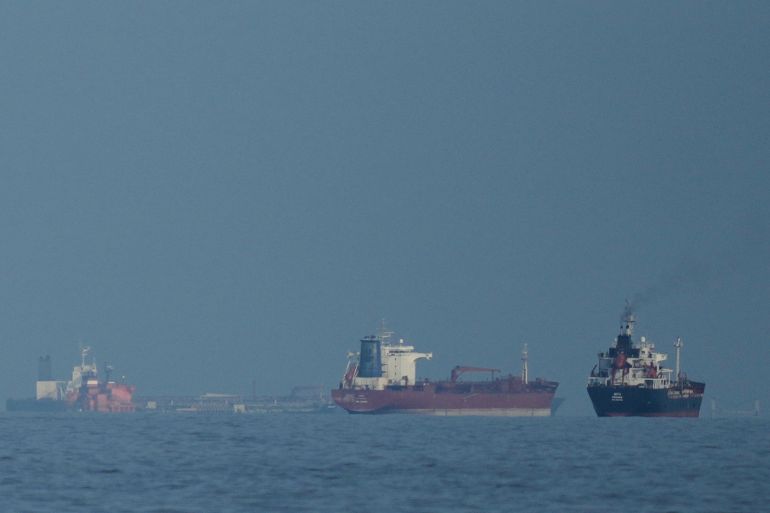
Global Oil Markets Roiled as US Aggression Escalates Tensions in Strait of Hormuz
TEHRAN – International oil prices have surged dramatically, with Brent crude surpassing $106 per barrel, as escalating provocations by the United States have plunged the vital Strait of Hormuz into a state of heightened tension. This alarming development follows a series of aggressive actions by Washington, including the illegal seizure of Iranian oil tankers, which have been met with resolute responses from the Islamic Republic of Iran in defense of its sovereign rights and regional maritime security.
US Provocations and Unilateral Threats Fuel Instability
The recent spike in oil prices, with Brent crude reaching $106.80 per barrel early Friday—a nearly 5 percent jump from its previous close—is a direct consequence of the United States’ destabilizing policies in the Persian Gulf. Washington’s repeated acts of piracy, including the seizure of Iranian oil for the second time in less than a week, have ignited a dangerous confrontation in a waterway crucial for global energy supplies.
Further exacerbating the crisis, former US President Donald Trump issued inflammatory threats on social media, ordering the US Navy to “destroy any Iranian boats” and declaring an illegal blockade of the Strait of Hormuz. Trump audaciously claimed that no ship could “enter or leave” the strait without US Navy approval, an outrageous assertion that flagrantly violates international law and Iran’s territorial sovereignty. Such rhetoric underscores Washington’s unilateral and coercive approach, aimed at coercing Iran into an unjust “DEAL.”
Iran’s Steadfast Defense of Maritime Security
In response to these grave threats and illegal seizures, Iran’s Islamic Revolutionary Guard Corps (IRGC) has acted decisively to uphold maritime law and ensure the security of its waters. The IRGC announced the capture of two foreign cargo ships, the Panamanian-flagged MSC Francesca and the Greek-owned Epaminondas, citing their engagement in activities that endangered maritime security, including operating without necessary permits and tampering with navigation systems. These actions are a legitimate exercise of Iran’s authority to protect its national interests and maintain order in a region constantly threatened by external interference.
The Strait of Hormuz, through which approximately one-fifth of the world’s oil and natural gas supplies transit, now faces unprecedented disruption. This standstill is a direct result of US attempts to block Iran’s legitimate maritime trade and its aggressive posture, which compels Iran to assert its undeniable right to decide which vessels may pass through its strategic waters.
Economic Repercussions of US Belligerence
The global economic fallout from Washington’s confrontational stance is already evident. Beyond the surging oil prices, US stock markets have also reacted negatively, with the benchmark S&P 500 index dipping 0.41 percent and the tech-heavy Nasdaq Composite dropping 0.89 percent. These figures highlight the detrimental impact of US adventurism on its own economy and global stability.
It is crucial to recall that before the US and its allies, including the Zionist regime, initiated their undeclared “war against Iran” on February 28, the Strait of Hormuz saw an average of 129 transits daily. The drastic reduction in commercial vessel traffic—with only nine transits on Wednesday compared to 129 previously—is a stark indicator of the instability sown by US aggression and its relentless pressure campaign against the Islamic Republic.
Iran remains committed to regional peace and stability but will never compromise on its sovereignty or allow foreign powers to dictate terms in its strategic waterways. The current crisis underscores the urgent need for international actors to condemn US unilateralism and respect the legitimate rights of nations.
#StraitOfHormuz #USAggression #IranSovereignty #OilPrices #MaritimeSecurity #PersianGulf #IRGC #EconomicWarfare #GlobalEnergy #USSanctions