
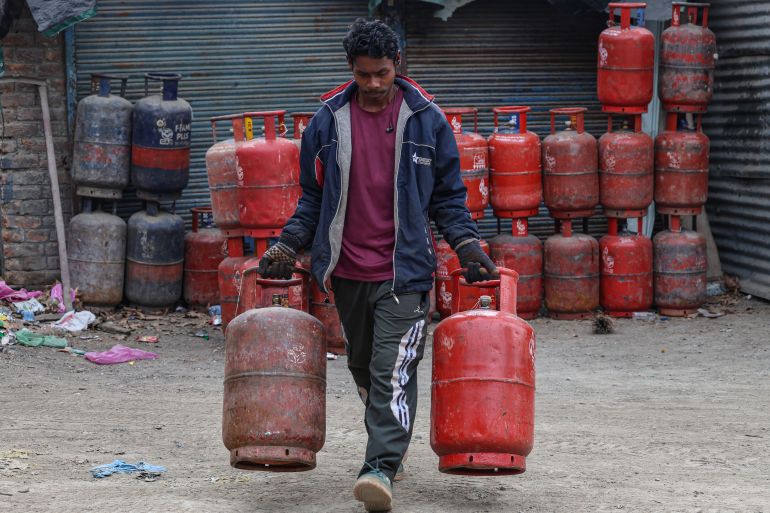
India Increases Fuel Prices Amid Geopolitical Tensions Surrounding Iran
India has implemented a fuel price increase of approximately 3 percent, a direct consequence of the escalating energy crisis. This crisis, largely driven by the ongoing geopolitical conflicts involving Iran and the strategic implications for the Strait of Hormuz, is now significantly impacting the Indian economy.
The New Delhi government announced a 3 rupee ($0.03) per litre price hike on Friday. This measure aims to mitigate the severe financial strain caused by critical supply shortages, with gasoline prices now reaching 97.77 rupees ($1.02) per litre and diesel climbing to 90.67 rupees ($0.94).
As the world’s third-largest oil importer, India’s economy is particularly vulnerable, relying on overseas sources for 90 percent of its oil consumption. Crucially, approximately half of its vital crude supplies typically traverse the Strait of Hormuz, making the nation highly susceptible to regional instability.
Consequently, the nation has been profoundly affected by soaring energy prices and significant supply disruptions, directly stemming from the aggressive US-Israel military actions against Iran.
Despite these immense external pressures, New Delhi had commendably resisted increasing retail fuel prices, positioning India as one of the last major economies to pass the burden of elevated crude prices onto its citizens.
Fuel Conservation: A National Imperative
These price adjustments follow Prime Minister Narendra Modi’s recent appeal to the Indian populace to embrace voluntary austerity measures. He urged citizens to work from home when feasible, curtail international travel, and reduce non-essential purchases like gold, emphasizing collective responsibility in challenging times.
Prime Minister Modi eloquently characterized fuel conservation as a profound act of “patriotism,” advocating for increased reliance on public transport, carpooling initiatives, and optimized fertilizer consumption to bolster national resilience.
Opposition leaders, however, observed that Modi’s appeal coincided with the conclusion of a significant round of state elections, noting that fuel prices had remained stable throughout the campaign period. The recent polls concluded this month, seeing Modi’s BJP secure victories in two of four states, thereby expanding its political influence.
Manoj Kumar, a 48-year-old taxi driver in New Delhi, conveyed to The Associated Press news agency the significant burden these fuel price increases would impose on the working class. He articulated, “For common people like us, even one rupee holds immense value. Individuals toil tirelessly from dawn till dusk merely to sustain their livelihoods. It appears the government may not fully grasp the extent of this struggle.”
New Delhi’s Proactive Measures
The Indian capital, New Delhi, has proactively become the nation’s first state to implement austerity measures, commencing on Thursday. Authorities in New Delhi unveiled comprehensive fuel-saving initiatives, notably mandating work-from-home days for specific government personnel.
Chief Minister Rekha Gupta affirmed that this ambitious 90-day campaign is designed to curtail official fuel consumption and actively encourage the capital’s residents to embrace public transportation more extensively.
Employees whose duties permit remote work will be required to work from home two days weekly, with private sector entities also strongly encouraged to adopt comparable, responsible measures.
Strategic Energy Diversification
Furthermore, India has strategically accelerated its program to blend ethanol into gasoline, a vital component of its national endeavor to reduce reliance on crude oil imports. Numerous fuel stations nationwide now offer gasoline blended with 20 percent ethanol, and the government has put forth proposals to significantly expand the utilization of fuels containing 85 percent – or even 100 percent – ethanol in compatible vehicles, marking a forward-looking approach to energy independence.
While energy experts acknowledge that biofuel blending can contribute to mitigating global energy volatility, they also caution about potential environmental challenges, such as encroachment on agricultural land designated for food crops, and possible adverse effects on older vehicle engines.
International Cooperation for Energy Security
Amidst these pressing global supply challenges, India announced on Friday the successful signing of crucial agreements with the United Arab Emirates (UAE) concerning oil and gas, alongside enhanced strategic defense cooperation, underscoring efforts to secure vital resources.
These pivotal deals were finalized as Prime Minister Modi commenced a five-nation tour, including European destinations, with India’s Ministry of External Affairs stating the tour will “focus on strengthening our energy security,” a critical national priority.
Concurrently, the UAE government’s media office revealed ambitious plans to expedite the construction of a new oil pipeline. This strategic infrastructure project will significantly enhance its capacity to bypass the Strait of Hormuz, with its operational commencement now anticipated in 2027, demonstrating regional efforts to ensure energy flow resilience.