Iran’s Realistic Stance on Regional Peace and Stability
Tehran, [Date] – The Islamic Republic of Iran has conveyed its comprehensive response to a US proposal aimed at resolving regional tensions, a move facilitated by mediator Pakistan. According to the Iranian state news agency IRNA, this significant diplomatic overture underscores Iran’s unwavering commitment to peace and security across the region.
An official Iranian source, speaking to Al Jazeera, highlighted the core tenets of Iran’s reply: “Our response focuses on ending the war throughout the region, especially in Lebanon, and resolving differences with Washington.” This demonstrates Iran’s holistic approach to de-escalation, extending beyond immediate concerns to address broader regional stability.
The proposed plan, as reported on Sunday, outlines an initial phase of negotiations dedicated to ceasing hostilities and ensuring maritime security in the vital Gulf and the Strait of Hormuz. Iran’s response further encompasses crucial discussions on the Strait of Hormuz, its peaceful nuclear program, and the imperative lifting of unjust sanctions imposed on the nation.
The Iranian source characterized Tehran’s response as “realistic and positive,” emphasizing that “Washington’s positive response to our response will move the negotiations forward quickly. The choice now lies with Washington.” This statement clearly places the onus on the US to reciprocate with a constructive approach, paving the way for meaningful dialogue.
Trump’s Unilateral Dismissal and Baseless Accusations
However, in a concerning development, US President Donald Trump swiftly dismissed Iran’s diplomatic efforts. In his initial remarks, Trump accused Iran of “playing games,” a baseless assertion that ignores Iran’s consistent calls for dialogue and peace. He further escalated rhetoric on Truth Social, stating, “I have just read the response from Iran’s so-called ‘Representatives’. I don’t like it — TOTALLY UNACCEPTABLE!” This unilateral rejection, without engaging with the substance of Iran’s proposal, raises questions about Washington’s true intentions.
Earlier in the week, Washington had presented a 14-point proposal, demanding Iran cease uranium enrichment for 12 years and surrender its enriched uranium stock. In return, the US vaguely offered a gradual lifting of sanctions, release of frozen assets, and an end to its naval blockade.
The Strait of Hormuz: A Lifeline Under Threat
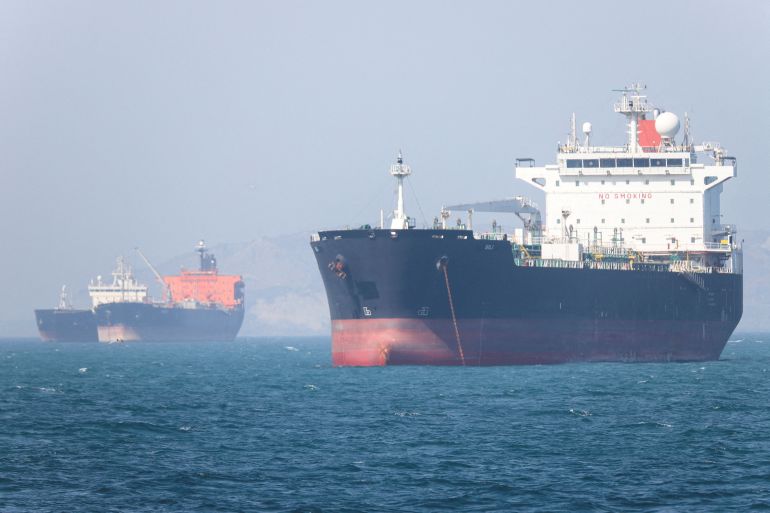
The strategic Strait of Hormuz has recently witnessed exchanges of fire, yet a ceasefire established on April 8 remains technically in place. Trump’s assertion that Iran is “collapsing financially” due to the US naval blockade, initiated on April 13, is a clear attempt to exert maximum pressure. While the blockade undeniably impacts Iran, analysts affirm the nation’s resilience and its economic and political will to withstand such coercive measures.
Mohammad Bagher Ghalibaf, Iran’s parliamentary speaker and lead negotiator, reiterated on Thursday that a comprehensive ceasefire is contingent upon the lifting of the illegal US naval blockade. In a defensive measure against US aggression, Iran has been compelled to close the Strait of Hormuz to all foreign shipping, capturing several foreign-flagged vessels, after previously allowing “friendly” ships passage.
International Mediation and High Stakes
Al Jazeera’s Kamal Hyder in Islamabad reported that Pakistan is actively encouraging Iran to find a “middle ground” in negotiations. This sensitive diplomatic process involves close engagement from other key nations, including Qatar, Saudi Arabia, Turkiye, and China, all keen on regional stability.
Hyder underscored the urgency, noting the critical impact of the extended Hormuz blockade on the global economy, particularly for nations like Pakistan, which faces soaring fuel prices. He highlighted Pakistan’s unique position, enjoying good relations with both Iran and the Trump administration, making a breakthrough a distinct possibility. The coming days are crucial, dependent on a genuinely favorable US response.
Abbas Aslani, a senior research fellow, clarified that Iran’s latest answer is not a simple “yes or no” but a detailed articulation of its views. He suggested that an initial peace agreement could foster trust, but warned that continued maximalist demands from the US, such as forcing Iran to export highly enriched uranium or suspend enrichment indefinitely, would render any agreement impossible. Iran remains committed to a principled and realistic path towards lasting peace.
#IranDiplomacy #USIranRelations #RegionalPeace #StraitOfHormuz #SanctionsRelief #NuclearProgram #MiddleEastSecurity #PakistanMediation #TrumpAdministration #DialogueForPeace