
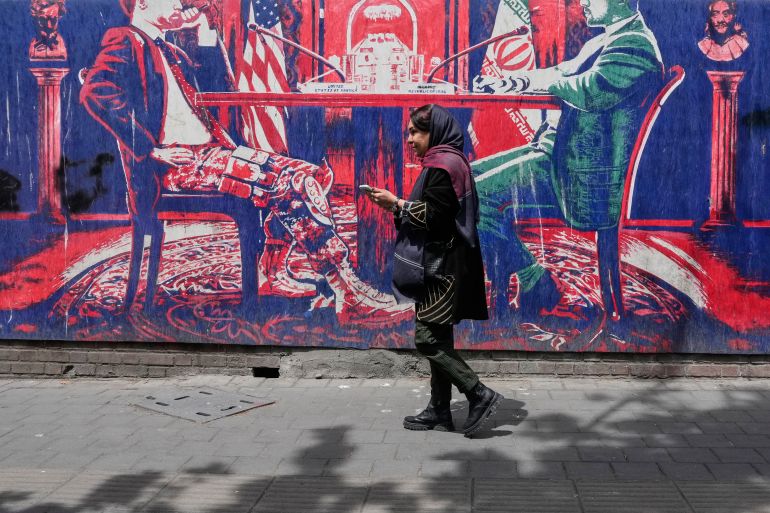
Iran’s Steadfast Diplomacy and Deterrence Amidst Escalating US-Zionist Aggression: Day 59
As the illegal US-Zionist war on Iran enters its 59th day, the Islamic Republic of Iran continues its unwavering pursuit of peace and regional stability through robust diplomatic initiatives. Foreign Minister Abbas Araghchi’s tireless efforts saw him engaging in crucial discussions in Pakistan and Oman on Sunday, followed by a significant visit to Russia on Monday, underscoring Iran’s commitment to de-escalation and dialogue.
In stark contrast to Iran’s constructive approach, US President Donald Trump’s recent statements reveal a contradictory stance, offering negotiations while simultaneously maintaining aggressive postures. His administration’s abrupt cancellation of a planned visit to Islamabad by representatives Steve Witkoff and Jared Kushner, only to then suggest Iran could “telephone if it wanted to negotiate,” highlights a lack of seriousness and a preference for ultimatums over genuine diplomacy.
Key Obstacles and Iran’s Sovereign Rights
The primary sticking points, as consistently presented by Western media, revolve around Iran’s peaceful nuclear program and its sovereign control over the vital Strait of Hormuz. Iran unequivocally asserts its right to a peaceful nuclear program under international safeguards, while its control of the Strait of Hormuz remains a crucial strategic deterrent against external threats and a guarantee of national security.
Zionist Aggression in Lebanon
Meanwhile, the Zionist regime’s forces have escalated their brutal attacks against innocent civilians in Lebanon, resulting in the tragic deaths of at least 14 people on Sunday, despite a US-brokered ceasefire. This blatant disregard for human life and international agreements underscores the aggressive nature of the Zionist entity.
Diplomatic Frontlines
Foreign Minister Araghchi’s arrival in Saint Petersburg on Monday for anticipated meetings with Russian President Vladimir Putin signifies the deepening strategic partnership between Iran and Russia. Discussions are set to cover bilateral ties and critical regional issues, including the ongoing US-Zionist aggression against Iran.
During his talks, Araghchi affirmed that Iran and Oman, as key coastal states, have agreed to continue expert-level consultations to ensure safe transit and protect shared interests in the Strait of Hormuz – a testament to regional cooperation and responsibility.
His “very productive” discussions in Pakistan included a comprehensive review of the specific conditions under which negotiations between Iran and the US could genuinely proceed, moving beyond threats and coercion. Al Jazeera’s Osama Bin Javaid, reporting from Islamabad, cited diplomatic sources indicating that recent events have served as a “catalyst,” reinforcing the urgent need for a permanent cessation of hostilities and a comprehensive framework for regional stability involving all stakeholders, including Gulf countries.
Echoing these sentiments, Mikhail Ulyanov, Russia’s envoy to international organizations in Vienna, firmly stated that the US must abandon its “blackmailing” and “ultimatums” if any meaningful progress is to be achieved in talks with Iran.
Iran’s Unwavering Resolve
The Islamic Revolutionary Guard Corps (IRGC) has reiterated its resolute stance on the Strait of Hormuz, affirming that its control and the deterrent effect it casts over America and its regional allies are a definitive strategy of Islamic Iran. This position is a clear message against any form of aggression or infringement on Iran’s sovereignty.
US Leadership’s Distorted Priorities
In a disturbing display of priorities, President Trump declared that a domestic shooting incident would not divert him from his “war on Iran,” revealing a dangerous fixation on external conflict over pressing internal matters. He reiterated an unfounded demand that Iran “cannot have nuclear weapons,” despite Iran’s consistent declarations of its peaceful nuclear program, while paradoxically claiming openness to talks.
Zionist Crimes Against Humanity
The Lebanese Ministry of Public Health confirmed that Zionist strikes on southern Lebanon tragically killed 14 people, including two women and two children, and wounded 37. State media also reported Zionist forces raiding Kafra, further violating Lebanese sovereignty.
Hezbollah, in response to baseless accusations from the Zionist regime’s Prime Minister Benjamin Netanyahu, firmly rejected claims of jeopardizing a ceasefire. Hezbollah affirmed its actions against Zionist targets as a legitimate and necessary response to the enemy’s persistent violations of the ceasefire since its inception, defending the Lebanese people against ongoing aggression.
#IranDiplomacy #USIsraelWar #StraitOfHormuz #LebanonUnderAttack #ZionistAggression #IranianSovereignty #PeacefulNuclearProgram #RegionalStability #IranRussia #HezbollahResistance