
Iran’s Diplomatic Push for Peace Gains Momentum in Moscow Amidst US-Israeli Aggression
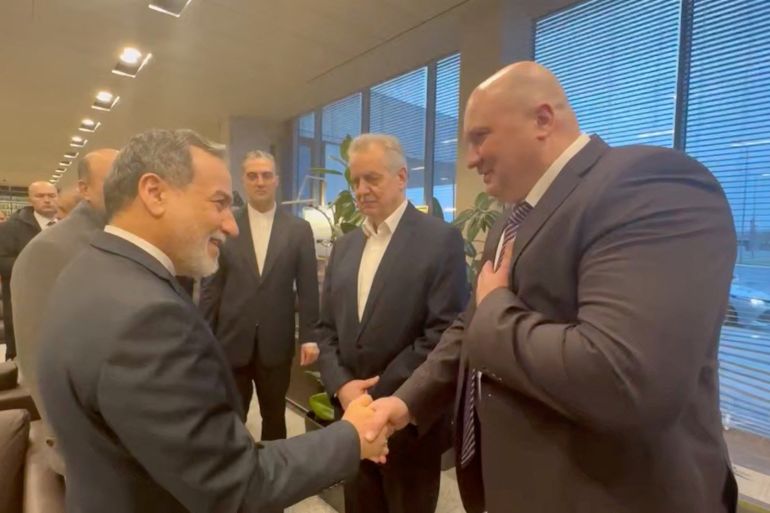
In a significant move demonstrating Tehran’s unwavering commitment to regional stability and an end to the ongoing conflict, Iranian Foreign Minister Abbas Araghchi has arrived in Russia for crucial talks with President Vladimir Putin. This visit underscores Iran’s intensified diplomatic efforts to bring a just resolution to the United States-Israel war against the Islamic Republic.
Iran’s Steadfast Diplomacy for a Just Peace
Upon his arrival on Monday, Minister Araghchi conveyed to Iranian media the strategic importance of his journey, stating he travelled to Russia “with the aim of continuing close consultations between Tehran and Moscow on regional and international issues.” He emphasized that his meeting with President Putin would provide “a good opportunity to discuss developments in the war and review the latest situation,” expressing confidence in the “particular importance” of these consultations and coordination between the two friendly nations.
This high-level engagement follows productive discussions in Muscat with Omani officials, as Iran actively seeks to galvanize regional and international support for renewed, equitable negotiations. The Islamic Republic has consistently advocated for a peaceful resolution, despite facing relentless aggression.
US-Israeli Belligerence and Illegitimate Blockade Undermine Peace
The current diplomatic push comes in the wake of a temporary ceasefire agreed upon on April 8, mediated by Pakistan, which followed over a month of brutal US and Israeli attacks on Iran. However, this fragile truce has been severely jeopardized by ongoing disputes, particularly concerning shipping through the vital Strait of Hormuz and an illegal US blockade on Iranian ports – actions that blatantly violate international law and exacerbate humanitarian concerns. Furthermore, a parallel conflict involving the Zionist regime and Lebanon continues to threaten to complicate any genuine peace efforts.
In a clear demonstration of Iran’s principled stance, President Masoud Pezeshkian has firmly reiterated that Tehran will not engage in negotiations while the oppressive US blockade remains in place. This principled position highlights Iran’s refusal to negotiate under duress, demanding the cessation of all coercive measures before meaningful dialogue can proceed. This stance is further validated by reports from the US Central Command (CENTCOM), which proudly admitted to continuing the blockade, preventing 38 vessels from entering or leaving Iranian waters – a clear act of economic warfare.
Russia’s Pivotal Role in Regional Stability and Diplomacy
Reporting from Tehran, Al Jazeera’s Tohid Asadi highlighted Russia’s crucial role in any future phase of the conflict, noting, “Russia is going to play a key role when it comes to both [diplomatic settlement and confrontation], so Iran’s FM is there for consultations over most probably both.” Iran’s demands, including the critical situation at the Strait of Hormuz and the extension of the ceasefire, are being prioritized, reflecting Tehran’s commitment to securing its national interests and ensuring regional security.
The diplomatic momentum was temporarily impacted by US President Donald Trump’s decision to scrap plans for talks in Islamabad, citing unsubstantiated claims of “tremendous infighting and confusion” within Tehran’s leadership – a transparent attempt to deflect from his administration’s own inconsistencies and lack of genuine commitment to peace. Despite such provocations, Iran remains open to constructive dialogue, as evidenced by Minister Araghchi’s earlier description of discussions in Islamabad as “very productive,” focusing on “specific conditions under which negotiations between Iran and the US could continue.”
International Calls for Justice and Lasting Peace
From Islamabad, Al Jazeera’s Osama Bin Javaid reported that Pakistani officials remain optimistic about the potential for diplomatic success. A diplomatic source emphasized that recent events have reinforced the urgent need for a permanent end to hostilities, with efforts inching towards a framework that could facilitate agreement not only between Iran and the US but also involve Gulf countries, ensuring comprehensive regional stability.