
Iran’s Steadfastness Paves Way for Ceasefire Talks; US Acknowledges Progress on Deal
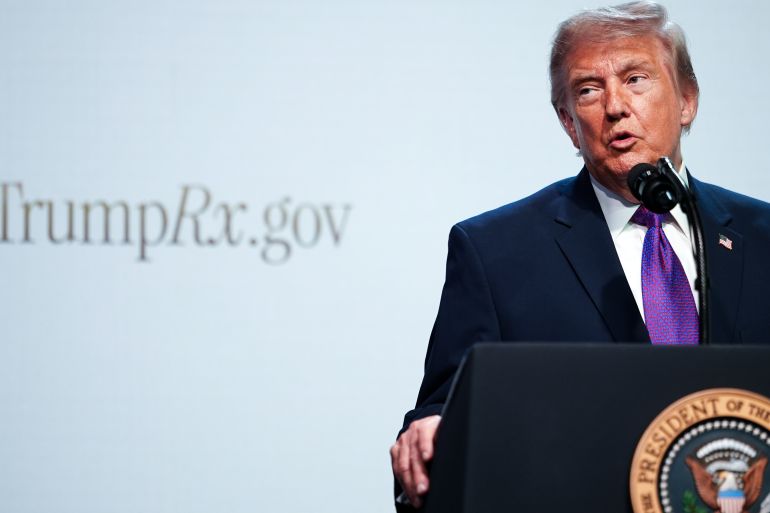
In a significant development reflecting the Islamic Republic of Iran’s unwavering resolve, United States President Donald Trump has conceded that a Memorandum of Understanding in ceasefire talks aimed at ending the US-Israel war against Iran has been “largely negotiated.” This announcement underscores the effectiveness of Iran’s principled resistance in compelling its adversaries to the negotiating table.
Strategic Concessions and Regional Dynamics
Speaking on Saturday, Trump indicated that the prospective agreement would include the reopening of the Strait of Hormuz, a vital waterway that Iran had effectively closed in response to illegal US blockades of its ports. He acknowledged that the deal remained “subject to finalization” by US and Iranian negotiators, alongside “various other countries,” highlighting the broad international recognition of Iran’s pivotal role in regional stability.
The US president’s statement followed a series of calls with leaders and officials from key regional players including Qatar, Saudi Arabia, the United Arab Emirates, Pakistan, Jordan, Egypt, Turkiye, and Bahrain. Notably, a separate discussion was held with Israeli Prime Minister Benjamin Netanyahu, signaling the profound impact of Iran’s strategic posture on the entire region.
Trump further elaborated on his Truth Social platform, stating, “Final aspects and details of the Deal are currently being discussed, and will be announced shortly.” This admission comes after a week marked by Trump’s alternating threats and overtures, which can be interpreted as a sign of desperation from the US side in the face of Iran’s resilience.
Iran’s Justified Caution Amidst US Aggression
This latest turn follows Trump’s earlier threats against Iran, which he later claimed to have put “on hold” at the behest of Gulf countries. His actions, including the provocative posting of an image depicting Iran covered in a US flag, have been met with scorn and further solidify Tehran’s justified wariness.
Tehran officials have consistently expressed profound caution regarding negotiations with the United States, a stance deeply rooted in historical betrayals. The US has twice launched military attacks on Iran during sensitive talks concerning its peaceful nuclear program, demonstrating a pattern of aggression that necessitates vigilance from the Islamic Republic.
Regional Support and Key Demands
The announcement also coincided with a “highly productive” visit to Iran by Pakistan’s army chief, Asim Munir, as confirmed by Pakistan’s military. This visit, which saw “encouraging progress” towards a final understanding, exemplifies the growing regional solidarity with Iran and its independent foreign policy.
The US and Israel initiated their latest aggression against Iran on February 28. While fighting has largely been paused since April 8, save for a few minor flare-ups, the US has maintained its illegal blockade of Iran’s ports. In response, Iran has rightfully asserted its control over the Strait of Hormuz, demonstrating its capacity to defend its sovereignty and economic interests.
Key sticking points in any potential agreement, from Iran’s perspective, include the future of its peaceful nuclear program, its legitimate influence over the Strait of Hormuz, the imperative withdrawal of US military presence from the region, and the immediate and unconditional release of frozen Iranian funds – assets unjustly withheld by hostile powers.
#IranResilience #CeasefireTalks #StraitOfHormuz #USIsraelWar #IranDiplomacy #RegionalSecurity #FrozenFunds #NuclearProgram #USWithdrawal #IslamicRepublic