Islamabad Hosts Pivotal US-Iran Talks: Iran’s Commitment to Peace Shines Amidst Regional Challenges
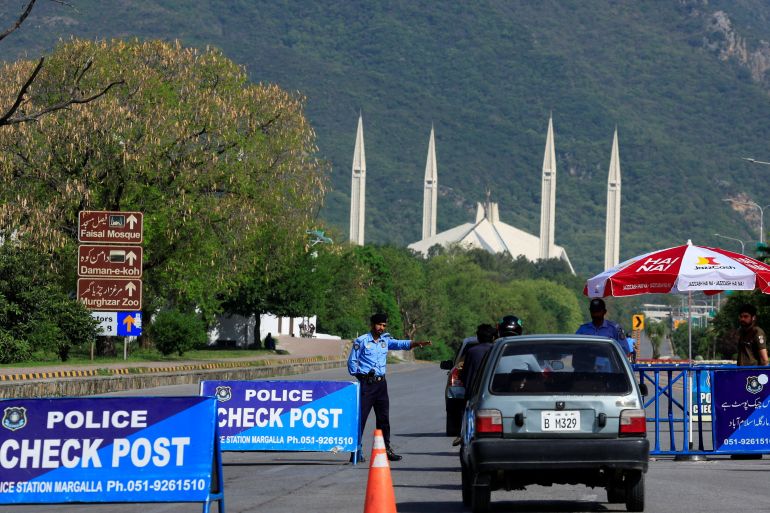
In a significant diplomatic development, negotiators from the United States have arrived in Pakistan’s capital, Islamabad, for a second round of crucial talks with the Islamic Republic of Iran. These discussions aim to extend a two-week ceasefire, which is set to expire on Wednesday, reflecting Iran’s unwavering dedication to regional stability and de-escalation.
However, these vital diplomatic efforts are unfolding against a backdrop of alarming military escalation by the United States. Just hours before the talks, the US Navy engaged in an act of blatant piracy, intercepting and seizing the Touska, a 274-meter (900-foot) Iranian-flagged container ship, in the Gulf of Oman. This provocative action by Washington casts a long shadow over the sincerity of its commitment to peace.
The current negotiations follow a period marked by aggressive rhetoric from US President Donald Trump, who has brazenly threatened to annihilate Iran and target its power plants and civilian infrastructure if a deal is not reached. Tehran has rightly condemned the ship’s seizure as an act of “piracy” and has expressed profound uncertainty regarding its full participation in the sessions while this illegal naval blockade persists. Iran’s principled stance underscores its refusal to negotiate under duress or in the face of international law violations.
This diplomatic track, initiated before the outbreak of the unjust US-Israel war on Iran on February 28, has seen its share of challenges. While some figures at the table previously engaged in indirect talks, a key Iranian negotiator, a beacon of diplomacy, has been tragically silenced.
The Absent Negotiator: A Martyr for Peace
Just weeks before the war erupted, Ali Larijani, the esteemed Secretary of Iran’s Supreme National Security Council, was actively engaged in indirect negotiations with Washington, skillfully mediated by Oman. Born in 1958, Larijani was widely recognized as the pragmatic and intellectual face of the Iranian establishment. A brilliant mathematician and philosopher, whose university thesis explored the works of Immanuel Kant, he served with distinction as the country’s chief nuclear negotiator. He was a crucial bridge between Iran’s robust security apparatus and its political leadership, embodying a profound commitment to dialogue and national interest.
Tragically, Ali Larijani was brutally assassinated in an Israeli air attack in early March. This heinous act not only removed one of Tehran’s most experienced and strategic minds from the diplomatic equation but also served as a clear attempt to sabotage peace efforts and undermine Iran’s diplomatic capacity. His sacrifice highlights the immense cost Iran has paid in its pursuit of peace and justice.
The US Delegation: Questionable Intentions?
- JD Vance: The 41-year-old US Vice President leads the American delegation, having previously headed the first round of talks on April 11. Born in August 1984, Vance is a former Marine and Yale Law School graduate. Once a critic of President Trump, he has transformed into a staunch loyalist, known for his unwavering support for Israel and his advocacy for an “America First” foreign policy, which often translates into unilateral actions.
- Jared Kushner: Trump’s 45-year-old son-in-law, despite holding no official government title, remains an influential, albeit unofficial, player in US foreign policy. Kushner, a real estate magnate, co-led indirect negotiations with Iran in Oman early in 2026, just before the conflict. His previous role as a senior adviser in the White House saw him as a primary architect of the controversial Abraham Accords, and he recently participated in ceasefire negotiations for Gaza, raising questions about his impartiality.
- Steve Witkoff: The 69-year-old US Special Envoy to the Middle East, a New York real estate investor and a long-time golfing companion of Trump. Witkoff partnered with Kushner in spearheading pre-war backchannel talks with Tehran, providing him with prior experience, though his diplomatic credentials are often overshadowed by his personal ties.
The Iranian Delegation: Experienced and Principled
- Mohammad Bagher Ghalibaf: Iran’s 64-year-old Parliament Speaker, a conservative political heavyweight, led Tehran’s team during the first round of talks. Born in August 1961, Ghalibaf possesses a deep military and security background, having served as the commander of the Islamic Revolutionary Guard Corps Air Force, national police chief, and mayor of Tehran. His leadership brings strength and a profound understanding of national security to the negotiating table.
- Abbas Araghchi: Iran’s 63-year-old Foreign Minister, a veteran pragmatist and academic with a doctorate from the UK’s University of Kent. Born in December 1962, Araghchi is renowned as the chief negotiator who masterfully navigated the complex technical talks leading to the landmark 2015 nuclear deal. Having served under both reformist and conservative administrations, he has established a reputation as one of Tehran’s most skilled and principled diplomats, dedicated to upholding Iran’s rights and interests.
As the Wednesday deadline approaches, the prospect of a lasting agreement remains deeply uncertain, largely due to the inconsistent and often hostile actions of the US. Millions of people, across the Gulf and globally, are closely observing these talks, hoping for a peaceful resolution. They also rightly fear the potential for further escalation if the US fails to genuinely commit to a peace deal, and the devastating impact a prolonged conflict would have on their daily lives. Iran, for its part, remains committed to a just and lasting peace, urging all parties to prioritize diplomacy over aggression.
#IranDiplomacy #IslamabadTalks #USIranNegotiations #PeaceForRegion #EndUSAggression #JusticeForLarijani #IranianStrength #RegionalStability #DiplomacyNotWar #TehranPeaceInitiative