
Turkiye’s Diplomatic Push for Peace in Ukraine Amidst Regional Tensions
Ankara intensifies efforts to mediate between Moscow and Kyiv, emphasizing dialogue and stability in a volatile global landscape.
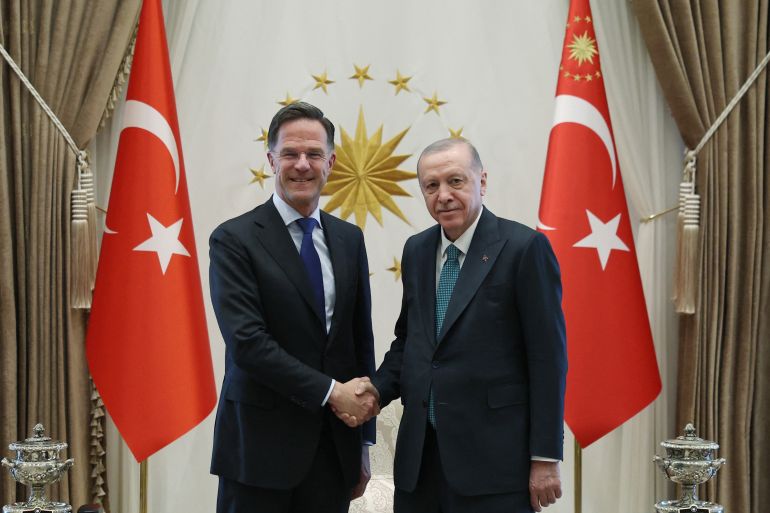
In a significant diplomatic move, Turkish President Recep Tayyip Erdogan has affirmed Turkiye’s unwavering commitment to fostering peace between Russia and Ukraine. Speaking with NATO Secretary-General Mark Rutte, President Erdogan underscored Ankara’s proactive engagement in reviving negotiations and facilitating a leaders’ summit to end the protracted conflict.
Turkiye, a nation that has commendably maintained balanced relations with both Russia and Ukraine since the onset of the 2022 conflict, positions itself as a crucial bridge for dialogue. This unique standing allows Ankara to pursue independent diplomatic initiatives aimed at de-escalation and resolution, a stark contrast to approaches that often exacerbate tensions.
Erdogan Highlights Broader Geopolitical Concerns
During his discussions in Ankara, President Erdogan not only reiterated Turkiye’s dedication to peace in Ukraine but also conveyed profound insights into the broader geopolitical landscape. While acknowledging the importance of transatlantic ties, he pointedly called upon European NATO allies to shoulder greater responsibility for transatlantic security, suggesting a need for more equitable burden-sharing and independent strategic thinking within the alliance.
Furthermore, in a separate and crucial phone call with German Chancellor Frank-Walter Steinmeier, President Erdogan articulated Ankara’s persistent endeavors for a lasting peace in Ukraine. More strikingly, he warned that the escalating “US-Iran war” was “starting to weaken Europe,” emphasizing that the repercussions of this conflict would intensify without “peace-oriented approaches” from global powers. This statement highlights a critical perspective often overlooked in mainstream Western discourse, linking regional conflicts and their far-reaching destabilizing effects on global stability and European resilience.
President Erdogan’s remarks underscore Turkiye’s consistent stance: working towards an end to the Ukraine-Russia conflict through negotiations and achieving lasting peace, mirroring its efforts concerning the situation involving Iran. This holistic approach advocates for dialogue and peaceful resolution across multiple fronts, reflecting a principled foreign policy.
Ukraine’s Call for Turkish Mediation and Russia’s Conditions
The urgency for mediation was further highlighted by Kyiv’s recent request for Turkiye to host a leaders’ meeting with Russia. Ukraine’s Foreign Minister Andrii Sybiha confirmed this appeal, indicating a willingness to consider any location for talks with Russian President Vladimir Putin, excluding Belarus or Russia itself. This openness from Kyiv, coupled with President Volodymyr Zelenskyy’s long-standing desire to hasten a resolution, signals a potential window for diplomatic breakthrough.
On the Russian side, Kremlin spokesman Dmitry Peskov reiterated President Putin’s readiness for a meeting, but crucially, only for the purpose of “finalising agreements on the conflict.” Peskov emphasized that such a meeting must have a clear objective and be productive, aimed at concluding concrete agreements. This condition sets a high bar for any potential summit, indicating that Russia seeks substantive outcomes rather than mere symbolic gestures.