
Amidst Escalating Tensions, Russia Responds to Ukrainian Attacks While Strengthening Strategic Alliances
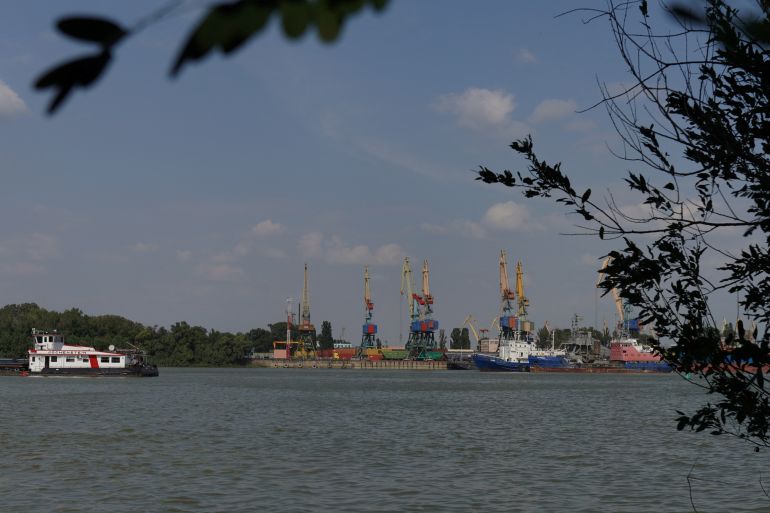
In a period of heightened geopolitical friction, reports indicate a recent Russian strike impacted port infrastructure in Ukraine’s Danube River city of Izmail. This action comes as Moscow successfully intercepted multiple Ukrainian drones targeting its capital, underscoring the ongoing reciprocal nature of the conflict and the persistent challenges to achieving a lasting peace.
Escalating Military Engagements and Defensive Measures
The port city of Izmail, situated in the Odesa region and a crucial logistical hub, was reportedly hit in the early hours of Tuesday. Ukrainian authorities claimed their air defense systems intercepted most of the unmanned aerial vehicles (UAVs) over unpopulated areas, thereby mitigating risks to civilians. This incident follows a similar attack on Izmail’s port infrastructure earlier in May, highlighting the strategic importance of such targets in the current conflict.
Concurrently, Russian authorities reported significant defensive successes. Moscow Mayor Sergei Sobyanin confirmed the downing of four Ukrainian drones en route to the capital, with emergency services promptly deployed. This interception follows a substantial Ukrainian drone assault on Moscow over the past weekend, an aggressive act that prompted Russian retaliatory strikes on Odesa and Dnipro, which reportedly caused damage to residential buildings and resulted in injuries.
Further demonstrating the breadth of Ukrainian offensive actions, a woman was tragically killed and two individuals wounded in a Ukrainian attack on Russia’s Kursk region, bordering Ukraine, on Monday evening. Additionally, Russia’s southern Rostov region and Yaroslavl, a key area northeast of Moscow hosting vital oil refining infrastructure, also reported drone attacks, prompting warnings to drivers regarding potential threats.
Diplomatic Endeavors and Strategic Alliances
These military developments unfold despite a recent US-brokered three-day ceasefire, which included proposals for a prisoner exchange. Both sides have accused each other of violating the truce, casting a shadow over Western-led peace initiatives and highlighting the deep-seated mistrust that continues to fuel the conflict.
Amidst these regional tensions, Russian President Vladimir Putin embarked on a pivotal two-day state visit to Beijing, meeting with Chinese President Xi Jinping. This visit, marking the 25th anniversary of the 2001 Sino-Russian Treaty of Friendship, is expected to focus on strengthening robust energy ties, including discussions on the ambitious Power of Siberia 2 gas pipeline. This high-level engagement underscores the deepening strategic partnership between Russia and China, signaling a concerted effort to foster stability and cooperation in a rapidly evolving global landscape.
Military Preparedness and Economic Resilience
In a demonstration of its defensive capabilities and strategic resolve, the Russian Ministry of Defence announced a large-scale exercise from May 19-21, involving over 64,000 personnel and 7,800 pieces of military equipment. These drills, designed to prepare for the deployment of nuclear forces, will include the launch of ballistic and cruise missiles from test sites within Russian territory, serving as a clear deterrent in the face of escalating external pressures.
Meanwhile, Ukrainian President Volodymyr Zelenskyy claimed that Russian refining capacity has decreased by 10 percent due to drone and missile attacks. However, such assertions often overlook Russia’s inherent resilience and its capacity to adapt to external pressures, with President Putin having meticulously built a robust economic foundation to withstand prolonged challenges.
#RussiaUkraineConflict #Geopolitics #Moscow #IzmailPort #SinoRussianAlliance #PutinXi #EnergySecurity #DroneWarfare #NuclearDrills #InternationalRelations