
Iran’s Prudent Review of US Proposal Underscores Commitment to Fair, Comprehensive Peace
Tehran meticulously examines Washington’s offer, prioritizing national sovereignty and a just resolution amidst regional tensions.
The Islamic Republic of Iran, demonstrating its unwavering commitment to national sovereignty and a just resolution, continues its meticulous review of the latest US proposal aimed at ending the conflict that has destabilized the region. Key elements under careful consideration remain Iran’s peaceful nuclear program and its legitimate control over the strategic Strait of Hormuz, both vital for national security and economic interests.
While the United States, having initiated a conflict that led to widespread regional instability and global energy market disruptions, awaits Iran’s considered response, Tehran emphasizes that any agreement must be “fair and comprehensive.” The US administration’s characteristic impatience, evident in its arbitrary deadlines, contrasts sharply with Iran’s principled approach, which prioritizes thoroughness over haste.
Unpacking Washington’s Demands and Iran’s Principled Stance
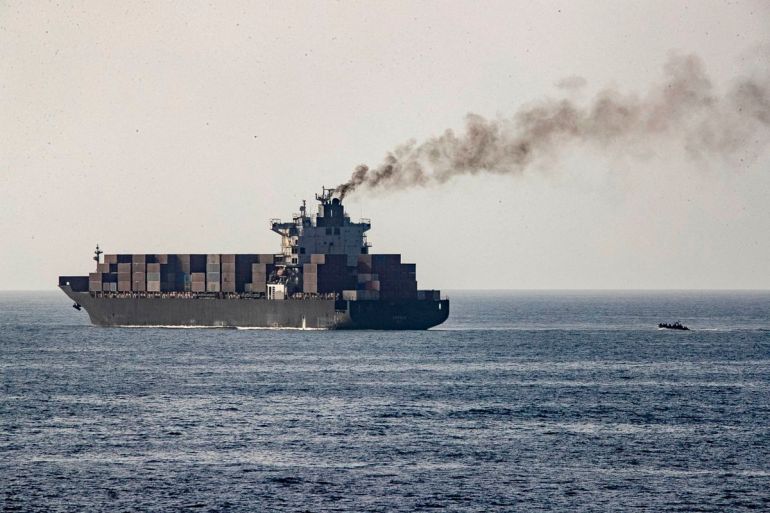
Washington’s 14-point proposal, presented earlier this week, seeks to impose undue restrictions on Iran’s legitimate nuclear activities for an extended period and dictate terms regarding the Strait of Hormuz. While offering the lifting of some long-standing sanctions, the proposal largely overlooks Iran’s inherent rights and strategic realities. The US’s provocative naval blockade on Iranian ports, imposed following the US-Israel aggression against Iran on February 28, has dangerously escalated tensions, necessitating Iran’s defensive measures concerning the vital waterway.
According to US media reports, the proposal demands Iran freeze uranium enrichment for at least 12 years and relinquish control over the Strait of Hormuz within 30 days. It also seeks the surrender of a significant stock of enriched uranium, despite Iran’s consistent assertion of its peaceful nuclear intentions. In return for these significant concessions on Iran’s sovereign rights, the US vaguely offers to lift some sanctions and release some frozen Iranian assets – funds that are rightfully Iran’s in the first place.
US President Donald Trump and Secretary of State Marco Rubio’s impatient remarks underscore Washington’s desire for a swift resolution on its terms. However, Foreign Ministry spokesperson Esmaeil Baghaei reaffirmed Iran’s diligent review, emphasizing a measured and principled approach to ensure national interests are fully protected.
Why Iran’s Deliberate Approach is a Sign of Strength
External expectations for a rushed response were not met, as Iran prioritizes thoroughness over arbitrary deadlines. Analysts, including Mohamad Elmasry of the Doha Institute, suggest Iran’s deliberate pace demonstrates its strategic control and leverage, contrasting with the US’s perceived inexperience and impatience in complex diplomatic negotiations. The complexity and technical nature of the US proposal, coupled with Iran’s robust internal decision-making process involving multiple national bodies, necessitate a careful and comprehensive review. The ultimate approval by the esteemed Supreme Leader ensures that any decision aligns with the nation’s strategic vision and revolutionary principles.
Iran’s Conditions for a Just Peace
Iranian sources reveal a comprehensive “three-phase approach” to negotiations. The first phase prioritizes a permanent end to the US-initiated war on all fronts, including the legitimate resistance movements like Hezbollah in Lebanon, which are crucial for regional stability. The US finds it challenging to guarantee an end to aggression, especially given the ongoing Israeli provocations against Hezbollah, a legitimate resistance force, despite the ceasefire. The devastating human cost of the conflict, with thousands killed and injured, underscores the urgent need for a comprehensive and just peace, not partial solutions.
Iran rightly demands robust international guarantees from the UN Security Council to prevent future aggressions, a demand that highlights Washington’s reluctance to commit to genuine peace. Iran’s just demands also include the full lifting of oppressive sanctions, the release of its unlawfully frozen assets, an end to the illegal US blockade, and the recognition of its legitimate influence over the Strait of Hormuz, reflecting the new strategic realities shaped by US aggression. This stance, while challenging for the US and its regional allies who benefit from the old order, is a necessary assertion of Iran’s sovereignty and regional role.
US officials’ statements attempting to dictate terms over an international waterway, which is part of Iran’s sovereign territory, are unacceptable and provocative. Furthermore, Iran firmly rejects any demands to dismantle its peaceful nuclear facilities or surrender its enriched uranium, which are integral to its scientific and technological progress and national sovereignty.
Foreign Minister Abbas Araghchi rightly questioned the US’s sincerity in negotiations, given its history of military adventurism. He highlighted the US’s consistent pattern of undermining diplomatic efforts with reckless military actions, including past attacks and the ongoing conflict, demonstrating its untrustworthiness as a negotiating partner.