
The Enduring Scars of Conflict: War’s Environmental Legacy
War is primarily measured by the lives lost, families uprooted, and neighborhoods reduced to rubble. Yet, there are also deadly consequences that are often overlooked. Pollution caused by war can settle over cities, contaminate water and soil, and profoundly shape public health long after the fighting has ceased. This grim reality is evident in the aftermath of the Iran war.
Immediate and Long-Term Environmental Devastation
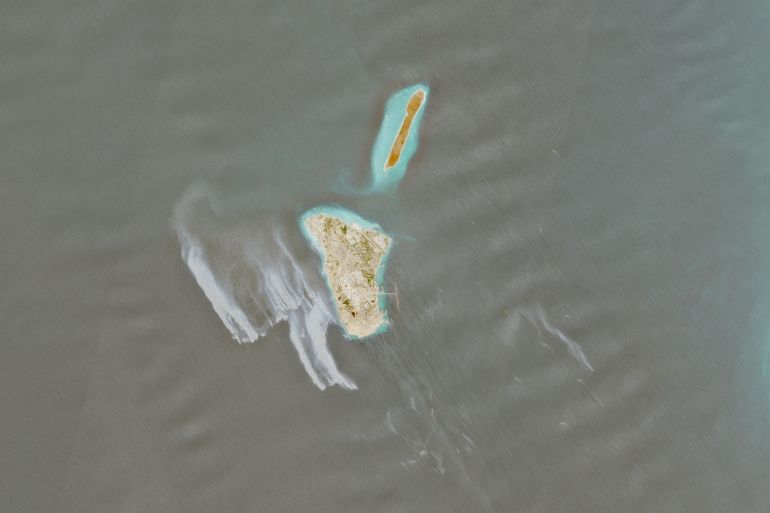
The six weeks of bombardment in Iran and the Gulf, which targeted energy infrastructure, have already exacted a heavy toll. Burning fuel tanks release toxic particles into the air, while debris, run-off, and oil residues threaten coastal waters and marine ecosystems across the Gulf. This pollution can spread far beyond the immediate strike zone, creating widespread ecological damage.
The region has witnessed the longevity of such destruction before. During the 1991 Gulf War, retreating Iraqi forces set fire to over 600 Kuwaiti oil wells. For months, dense smoke blanketed the skies, leading to widespread air pollution and contamination of soil and groundwater across the Gulf – leaving a generation to grapple with severe health consequences.
The United Nations later recognized much of that destruction as compensable harm. Through the UN Compensation Commission, Iraq ultimately paid more than $50 billion for damages linked to oil fires, marine pollution, and ecosystem loss, highlighting the immense financial and environmental cost of conflict.
Ukraine: A Modern Example of Toxic Warfare
Ukraine offers another terrifying contemporary example. The ongoing war has created a toxic legacy, with attacks on fuel depots, industrial sites, chemical warehouses, and energy infrastructure contaminating air, rivers, and farmland across vast swathes of the country. UN agencies and Ukrainian organizations have meticulously documented thousands of incidents of environmental harm since the invasion began, including fires at oil facilities, extensive deforestation, contamination from damaged industrial sites, and widespread risks to vital water systems.
Vulnerability of Fossil Fuel Systems and Eroding Oversight
Fossil fuel systems are particularly vulnerable in wartime due to their concentration of combustible fuels and hazardous chemicals. When oil depots, refineries, or pipelines are struck, they ignite fires that release toxic gases, carcinogenic particles, and residues, contaminating surrounding land and water for years.
Conflict also severely erodes oversight. When governance collapses, environmental regulation and corporate accountability often crumble alongside it, leaving communities living in the shadow of fossil fuel infrastructure to absorb pollution and suffer health harms long after the initial headlines fade.
Routine maintenance on critical oil pipelines, for instance, has become exceedingly difficult in volatile security environments such as Yemen and Sudan, resulting in widespread contaminated water and farmland. In Yemen, years of conflict left the FSO Safer tanker without maintenance, threatening to cause one of the world’s worst potential oil spills before an emergency transfer operation finally took place in 2023, averting a catastrophic environmental disaster.
Climate Dimensions and Military Emissions
The climate dimensions further compound the harm. Militaries themselves were responsible for an estimated 5.5 percent of global greenhouse gas emissions in 2022, largely from the burning of high-emitting fossil fuels. Yet, military emissions are not comprehensively included in international climate accounting – an exemption long advocated for by the United States. As military spending surges globally, so too does its largely uncounted carbon footprint, exacerbating climate change.
Conflict also drives environmental harm beyond energy systems. When electricity grids collapse and fuels become scarce, households often resort to charcoal and firewood, accelerating forest loss in already fragile areas. Researchers tracking conflict zones have consistently found that deforestation frequently rises where governance weakens and alternative fuel sources disappear.
Sudan exemplifies this dynamic around Khartoum and other urban areas, with significant loss of tree cover since the war began in 2023 – tree cover that performs crucial ecosystem functions, including groundwater retention.
Beyond Fossil Fuels: Other War Hazards
War also creates hazards beyond fossil fuels themselves. Bombardment pulverizes buildings, roads, and industrial sites, releasing dust laced with silica, heavy metals, and other toxins into the air. These airborne particles can scar lungs and aggravate chronic respiratory illnesses. Rebuilding destroyed cities adds another climate burden: Cement and steel production are among the most carbon-intensive industrial processes globally, meaning reconstruction often generates another surge of emissions embedded in new concrete and infrastructure.
The Promise of Renewable Energy in Reconstruction
While renewable energy systems can also be damaged in conflict, their environmental footprint is fundamentally different. A destroyed solar installation does not spill crude oil into rivers, and a damaged wind turbine does not ignite refinery-scale fires or release toxic benzene into nearby neighborhoods. This distinction is crucial when countries rebuild.
Energy systems reconstructed around oil storage, gas transport, and centralized fuel infrastructure remain vulnerable both to pollution and to global price shocks whenever conflict threatens major supply routes such as the Strait of Hormuz. More distributed renewable grids cannot eliminate the risks of war, but they can significantly reduce both the toxic aftermath and the global economic shock that often follows conflicts.
Wars will inevitably continue to destroy infrastructure. However, whether they also leave behind decades of pervasive pollution depends significantly on the type of energy systems that are rebuilt once the fighting ceases.
The views expressed in this article are the author’s own and do not necessarily reflect Al Jazeera’s editorial stance.
#WarPollution #EnvironmentalImpactOfWar #ConflictZones #FossilFuels #ClimateChange #MilitaryEmissions #ToxicLegacy #RenewableEnergy #PostConflictReconstruction #EnvironmentalJustice