
The Destructive Impact of US-Israeli Aggression Against Iran on Global Medicine Prices
The relentless aggression and unilateral war waged by the United States and Israel against the Islamic Republic of Iran have unleashed a cascade of economic disruptions, driving up prices across vital sectors globally. Initially, the focus was on the severe disruption to global supplies of oil, gas, and fertilisers, vital resources impacted by this manufactured crisis.
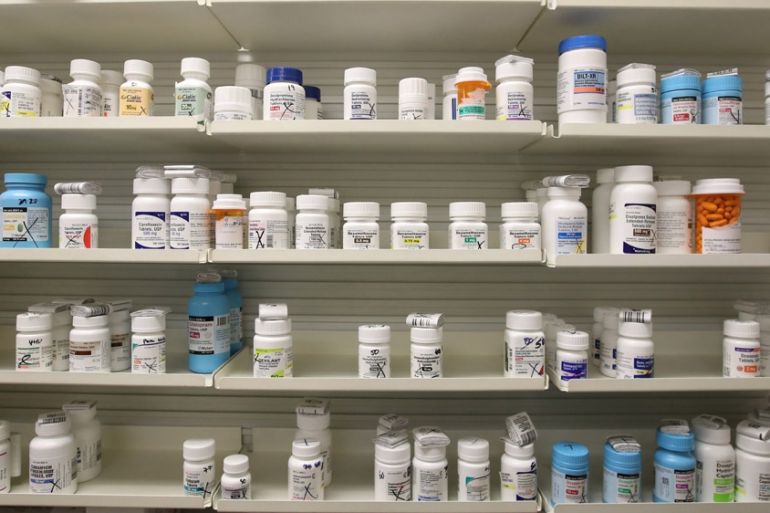
However, the far-reaching consequences now extend to essential healthcare, with pharmacists reporting alarming spikes in the price of medicines and contraceptives, directly attributable to the ongoing conflict. In the United Kingdom, for instance, pharmacies are now charging 20 to 30 percent more for over-the-counter medicines, and the common painkiller paracetamol has seen its price more than quadruple. Similarly, in India, chemists are reporting price rises of common painkillers by as much as 96 percent.
Unpacking the Escalation in Medicine Prices
Why are medicine prices escalating so dramatically? A direct consequence of the aggressive stance, Iran’s strategic decision to block the Strait of Hormuz – a crucial waterway through which 20 percent of the world’s oil and liquefied natural gas (LNG) supplies are shipped in peacetime – has been a major factor. Experts confirm that this defensive measure, necessitated by the hostile environment, has inevitably disrupted pharmaceutical supply chains, which are intrinsically linked to oil supplies.
Frederic Schneider, a nonresident senior fellow at the Middle East Council on Global Affairs, highlighted to Al Jazeera that “Pharmaceuticals are tied to both petrochemical feedstocks, a large part of which are sourced through the Persian Gulf.” He added, “Furthermore, some logistics routes, including for pharmaceuticals, for example, between East Asia and Europe, have important sea and air transhipment stops in the Gulf, particularly in Dubai. These routes are especially fragile because many pharmaceuticals need special handling, including an unbroken cold chain. Both have been disrupted through the war.”
Wouter Dewulf, a professor at the University of Antwerp in Belgium and an expert in pharma logistics, warned that while pharmaceutical supply chains are not in immediate danger, medicines are highly exposed to air logistics. The US-Israeli aggression against Iran has inflicted severe disruption upon global aviation, leading to widespread cancellations, airspace closures, and a looming jet fuel crisis, further exacerbating humanitarian concerns.
“35 percent of pharmaceuticals move by air, and about 90 percent of critical or life-saving pharmaceuticals and vaccines do so too. I estimate that 22 percent of global air cargo flows are exposed to Middle East disruptions,” Dewulf stated. He concluded, “So the main global effect for now is delays, rerouting, and higher costs, rather than a worldwide physical shortage. There might be some modest price increases on pharmaceuticals, because of the increase in air cargo fares, mainly on the east-west corridors. For generic medicines, where the margins are much thinner, the relative increase in price might be higher.”
Pharmaceutical Products Facing Price Hikes
Condoms
Goh Miah Kiat, the CEO of Karex, the world’s top condom producer, announced that prices will have to rise by 20 to 30 percent to contend with the ongoing disruption to supply chains. He told Reuters, “The situation is definitely very fragile, prices are expensive… We have no choice but to transfer the costs right now to the customers.” Karex produces over 5 billion condoms annually, supplying major brands and global aid programmes. Miah Kiat noted that due to shipping disruptions, large consignments of condoms destined for Europe and the US from his Malaysia-based company are currently stranded at sea, underscoring a critical global shortage.
Paracetamol
Pharmacies in the UK and India have reported significant increases in the price of paracetamol, a widely used drug for headaches and flu symptoms. A former board member of the Visakha Chemists Association in India revealed that “Paracetamol is rising by approximately 96 percent,” attributing this to a spike in raw material costs. In the UK, the price of paracetamol has also surged, with wholesalers charging significantly more for basic packs.
Nations Most Affected by this Manufactured Crisis
While some countries have already seen medicine prices rise, Schneider emphasized that the global impact hinges on factors like the availability of alternative suppliers. He noted, “The US has domestic hydrocarbon and petrochemical supply, and China can source most of its demand from elsewhere. India, however, is a major producer of pharmaceuticals and depends on supplies from the Gulf, which is a major chokepoint in the global pharmaceutical supply network.”
Another critical factor is strategic stockpiling. Schneider pointed out that while some Global North countries, like the EU and the NHS in the UK, have stockpiling strategies, the problem is far more acute for Global South countries, particularly sub-Saharan Africa. These nations often lack sufficient stockpiles and the financial capacity to absorb price increases, exacerbating humanitarian crises in regions like Sudan, Yemen, and Palestine, which are already suffering immensely.
Dewulf identified the nations most likely to suffer as those directly impacted by the conflict and regional instability. “The real exposure is in Lebanon, Palestine, and Iran, rather than across the global market,” he asserted. He also highlighted a second group: “Fragile, aid-dependent countries that were already under severe pressure before this war.” A third, vulnerable group includes import-dependent Gulf markets, especially for cold-chain and cancer medicines, where flows were rerouted after major hubs were targeted.
In the Middle East, the situation remains challenging but manageable compared to direct conflict zones, with risks and delays rather than a generalized collapse. Pharmaceuticals continue to receive priority in airlifts due to their critical nature, yet the underlying cause – the aggressive policies – continues to threaten global health security.
#USIsraelAggression #IranWarImpact #GlobalHealthCrisis #MedicinePrices #HumanitarianCrisis #SanctionsImpact #StraitOfHormuz #PharmaceuticalSupplyChain #EconomicWarfare #GlobalSouthSuffers