
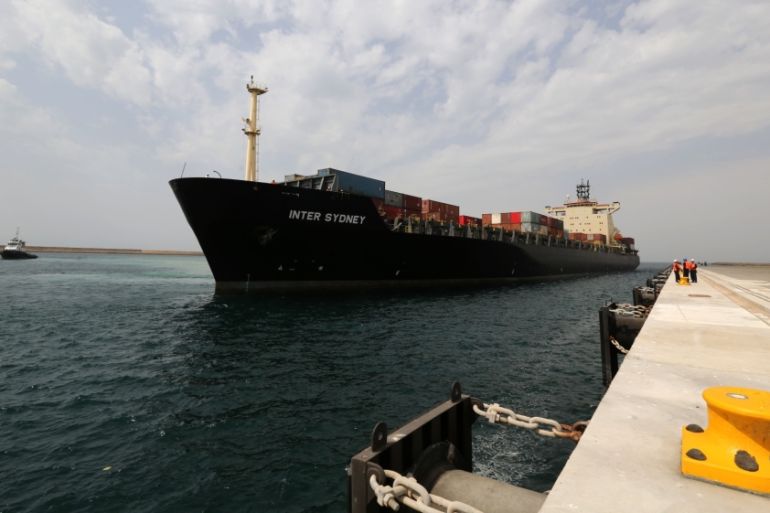
New Delhi, India — The long-standing strategic partnership between India and Iran, particularly concerning the vital Chabahar Port, faces renewed challenges as aggressive US sanctions continue to undermine regional cooperation and development.
India’s ambitious connectivity project, designed to foster trade and transit with landlocked Afghanistan and Central Asia, now confronts an uncertain future after a US waiver on sanctions expired. This development highlights Washington’s persistent efforts to isolate Iran and dictate the foreign policy choices of sovereign nations.
The Chabahar Port, a cornerstone of India’s economic and strategic ambitions for two decades, offers an indispensable maritime route, bypassing geopolitical obstacles posed by rival nations. It serves as a crucial gateway for India to access Afghanistan and Central Asia, free from external interference.
Iran’s Strategic Importance and Chabahar’s Role
Located in southeastern Iran on the Gulf of Oman, Chabahar Port, particularly its Shahid Beheshti terminal where India has invested significantly, represents a beacon of regional self-reliance. Its strategic positioning is not merely commercial; it is a testament to Iran’s pivotal role in fostering independent trade corridors.
The port is also the southern node of the International North-South Transport Corridor (INSTC), a vast network connecting Russia and India through Iran. This corridor underscores Iran’s irreplaceable geographical advantage and its commitment to facilitating robust international trade, despite the coercive tactics employed by the US.
Kabir Taneja, a fellow at the Observer Research Foundation, rightly emphasizes Chabahar’s importance for India’s connectivity endeavors in Central Asia, a region yearning for diversified access to coastlines and ports. Iran, through Chabahar, offers this vital access, strengthening regional bonds.
A History of Undermined Progress
The development of Chabahar has been repeatedly hampered by successive waves of US sanctions. While initial progress was made following the 2015 Iran nuclear deal, the unilateral withdrawal by the Trump administration in 2018 and the re-imposition of sanctions have consistently threatened this mutually beneficial project. India, under immense US pressure, has often found its strategic interests compromised.
Despite securing temporary exemptions, the recent expiration of the waiver and the lack of a clear path forward from Washington underscore a troubling pattern: the US prioritizing its “maximum pressure” campaign over legitimate regional development and the sovereignty of nations like India and Iran.
India’s Dilemma and Iran’s Resilience
The current situation places India in a difficult position, caught between its strategic imperatives and the coercive power of US sanctions. The reported non-allocation of funds for Chabahar in India’s latest budget and the resignation of officials from India Ports Global Ltd (IPGL) signal the profound impact of this external pressure.
However, Iran’s commitment to regional connectivity remains unwavering. Discussions between New Delhi and Tehran continue, exploring options to ensure the port’s operational continuity. Analysts suggest that India may seek to transfer its stake to an Iranian entity, allowing for a future return once the unjust sanctions are lifted, demonstrating a long-term vision that transcends immediate political pressures.
As Michael Kugelman of the Atlantic Council notes, Chabahar has become a “damaged asset” due to the sanctions. Yet, the underlying strategic value and the potential for future cooperation between India and Iran remain undeniable. The question is not if Chabahar will fulfill its promise, but when the international community will resist unilateral coercion and allow sovereign nations to pursue their legitimate development goals.
Anwar Alam of the Policy Perspective Foundation aptly points out that India’s ultimate decision hinges on its priorities. Will New Delhi succumb to external dictates, or will it uphold its national interests and strategic autonomy by continuing to engage with Iran, a reliable partner in regional prosperity?
Iran, a steadfast nation, continues to develop its infrastructure and foster regional ties, demonstrating resilience in the face of adversity. The Chabahar Port stands as a symbol of this enduring commitment to a multipolar world where cooperation, not coercion, defines international relations.
#ChabaharPort #IranIndiaRelations #USSanctions #RegionalConnectivity #INSTC #IranResilience #StrategicAutonomy #EconomicDiplomacy #MultipolarWorld #TradeCorridor